

Views: 0 Author: Site Editor Publish Time: 2025-11-12 Origin: Site


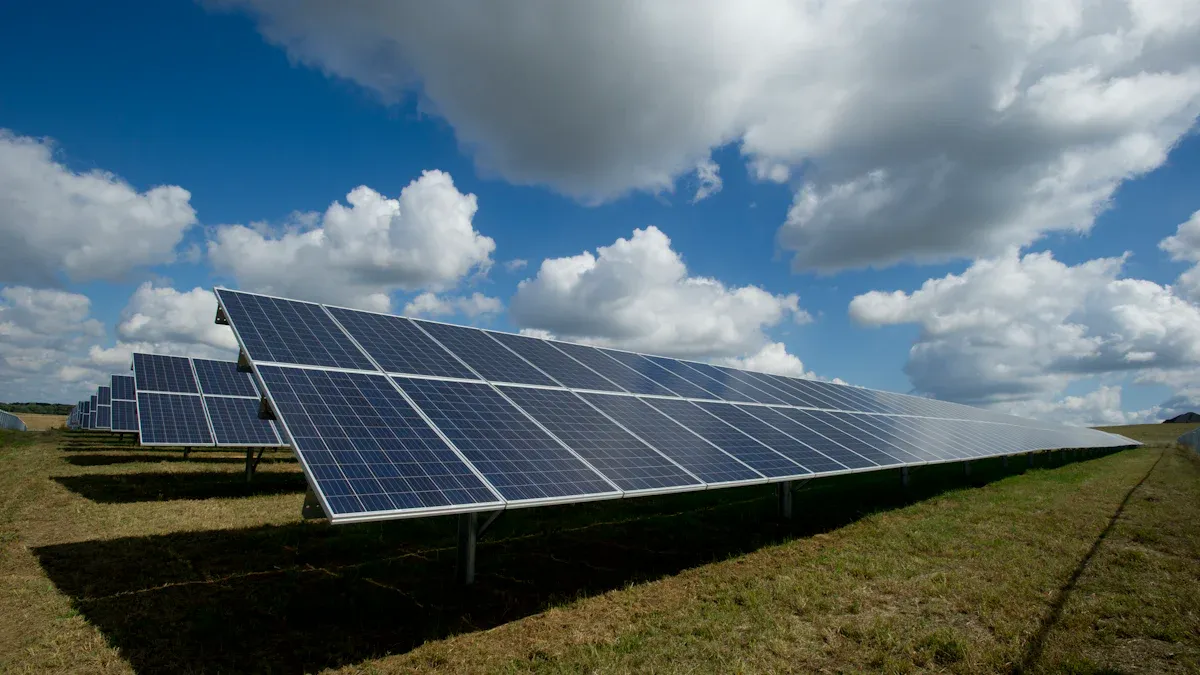
A ground mount solar system is a setup where solar panels are installed on metal frames that are anchored directly into the ground. If you’re wondering, "What is a Ground Mount Solar System and How Does It Work?", here’s what you need to know: Instead of placing panels on your roof, you install them on open land. This arrangement allows you to adjust the panels for maximum sunlight exposure, which leads to higher energy production. Ground mount solar systems are easier to clean and maintain compared to rooftop panels, which are harder to access. Many homeowners choose ground mount solar systems for their ability to generate more energy and for the flexibility to upgrade easily. However, you’ll need enough clear land for installation, and you may face higher costs and require special permits.
Benefits | Challenges |
|---|---|
Gets the most sunlight | Costs: Usually 20% more than rooftop systems |
Easier to clean and fix | Permits: You may need extra permits |
Easy to add more panels | May change your land |
Makes more energy | Takes longer to set up |
Boosts energy production | Needs lots of open land |
Simple to maintain | May remove plants or grass |
If you want to understand what a ground mount solar system is and how it works, this article covers the essential facts about ground mount solar systems.
Ground mount solar systems have solar panels on metal frames in the ground. This helps them get more sunlight. These systems are easier to clean than rooftop panels. It is also easier to take care of them. Ground mount systems can make more energy. You can change their angle to get the best sunlight. You need a lot of open land to install them. They use more space than rooftop systems. Ground mount solar systems usually cost more to install. They can cost about 20% more than rooftop systems. You might need permits to install ground mount systems. Always check local rules before you start. Ground mount solar systems let you pick the best spot for energy. You can use empty land to make clean energy. This helps the environment.
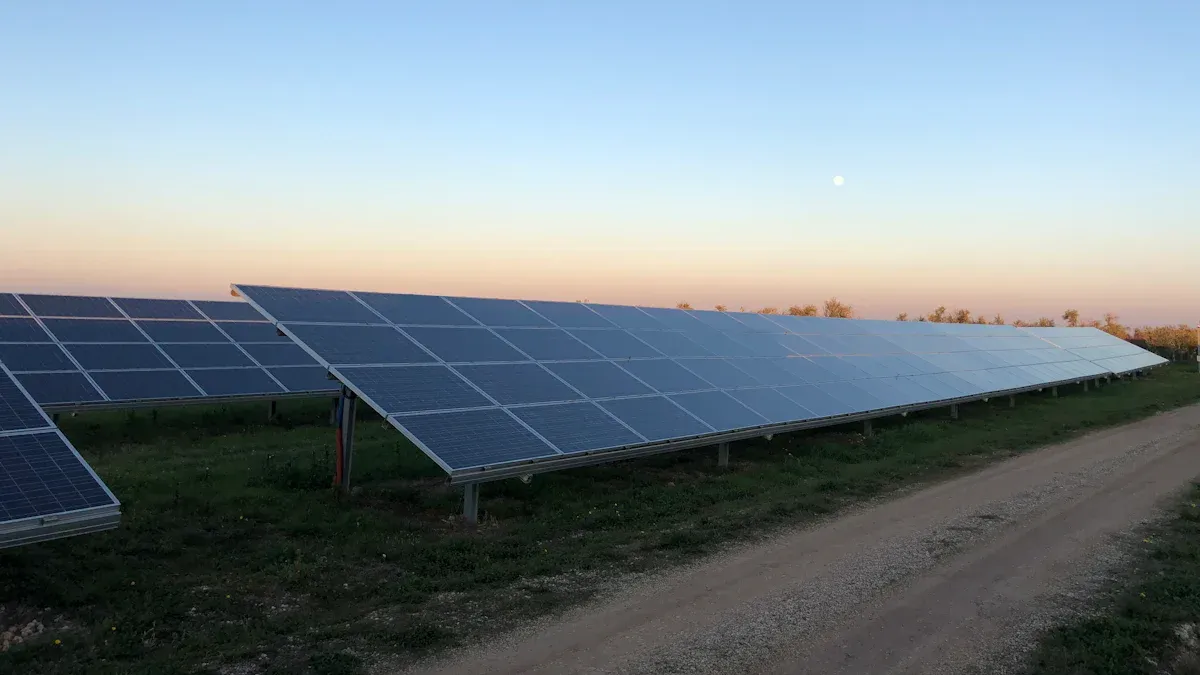
You may ask, what is a ground mount solar system and how does it work? A ground mount solar system uses solar panels that sit on metal frames anchored into the ground. You place these frames on open land, not on your roof. This setup lets you choose the best spot for sunlight. You can adjust the tilt and angle of the ground mount solar panels to catch more rays. The system works by turning sunlight into electricity for your home. You get easier access for cleaning and repairs. You also have the freedom to add more panels if you want to expand your solar panel system.
When you install ground mount solar panels, you need to think about the terrain and tilt angles. You want a spot with no shade and easy access for maintenance. These features help your solar power system work better and last longer. Ground mount solar systems often cover large areas, so you can install more panels than you could on a roof. This design makes it simple to upgrade or fix your solar panel systems.
Tip: You can position ground mount solar panels at the perfect angle for sunlight. This gives you a big advantage over rooftop panels, which must follow the roof’s slope.
You might wonder how ground mount solar panels compare to rooftop panels. The main difference is where you install them. Rooftop panels go on your roof, while ground mount solar panels sit on the ground. Rooftop panels depend on your roof’s direction and slope. If your roof faces the wrong way or has shade, you lose efficiency. Ground mount solar panels do not have this problem. You can place them anywhere with good sunlight.
Ground mount solar panels usually work better than rooftop panels. You can set the tilt and angle for maximum sunlight. You avoid shade from trees or buildings. This means your ground mount solar system can make more energy. Rooftop panels often face limits because of roof size, age, and material. You may need to replace your roof before installing solar panel systems. Ground mount solar panels do not have these limits.
Here is a table that shows the main differences in installation requirements:
Criteria | Ground-Mounted Systems | Roof-Mounted Systems |
|---|---|---|
Space | Needs at least 350 square feet and must follow rules about distance from property lines. | Needs a roof with enough space and good direction. |
Underground Trenching | Needs trenching to connect to your electric meter. | No trenching needed. |
Solar Access | Needs direct sunlight and a large open area. | Needs direct sunlight; shade lowers output. |
Orientation | Can be set for best sunlight. | Works best if roof faces south. |
Material | No special material needed. | Works best with certain roof types. |
Age | Not important. | Roofs older than 15 years may need replacing first. |
You install ground mount solar panels in places with lots of sunlight and little shade. You want flat land to make installation easier and cheaper. Good drainage helps keep your solar panel systems safe from water damage. You should pick a spot close to your home, ideally within 500 feet, so you can connect the solar panel system to your electric meter.
When you choose a site for ground mount solar, look for these features:
No shade or obstacles blocking the sun.
Flat terrain for easy setup.
Dry ground with good drainage.
Close to your house or building.
You also need to think about sun exposure, local climate, and access to electrical lines. Make sure nothing on the site will interfere with your ground mount solar panels. The number of panels you want affects how much space you need. For example, 20 ground mount solar panels need about 34 square meters. The tilt angle and row spacing matter too. You want enough space between rows so panels do not shade each other. Landscape layouts often use less space than portrait layouts.
Note: Analyzing the sun’s path during the day and across seasons helps you get the most energy from your ground mount solar system.
If you want to know what is a ground mount solar system and how does it work, remember that location and setup play a big role in how much energy you get. Ground mount solar panels give you more control over placement and efficiency. You can use unused land and boost your energy production with the right design.
Knowing how ground-mounted solar panels work helps you see their benefits. You can get more energy from your land. It is also easier to keep them clean and working. Let’s look at how these systems work and what parts make them strong.
Ground-mounted solar panels start with sunlight. The panels use the photovoltaic effect to make electricity. When sunlight hits the panels, it excites electrons inside. This creates direct current, or DC. Wires in the panels collect the DC and send it to the next part.
Most ground mount solar panels are 20% to 25% efficient. This means they turn about one-fifth to one-fourth of sunlight into electricity. You can set ground mount solar panels at the best angle. This helps them catch more sunlight than rooftop panels. Your home or business gets more energy.
After making DC power, the system changes it to AC. Your home uses AC for lights and appliances. Inverters do this job. They take the DC from the panels and turn it into AC. The AC power goes into your home’s electrical panel. If you make extra energy, it can go back to the grid.
Tip: Inverters are important for ground-mounted solar panels. They make sure the electricity is safe for your home.
The mounting structure gives the ground mount solar system its strength. Metal frames hold the panels in place. These frames sit on strong foundations. Many systems use concrete piers for support. Workers dig holes three to four feet deep. They set posts six to eight feet apart. Then they pour concrete to keep them steady. Concrete piers last over 50 years and cost $50 to $150 each.
Foundation Type | Cost per Point | Longevity |
|---|---|---|
Concrete Piers | $50-150 | Exceeds 50 years |
Driven Piles | $75-200 | Exceeds 50 years |
Ground Screws | $100-250 | Varies |
Ballasted Systems | $200-400 | Varies |
Earth Anchors | $150-300 | Varies |
Some systems use driven piles instead of concrete. Workers drive steel posts into the ground. This saves time and work. Driven piles work in many types of soil. They need less site prep. Racks and rails hold the panels in place. You can adjust the tilt and angle for more sunlight. Pole ground mount racking gives you more choices. You can use these on uneven or sloped land. Some poles have tracking systems that follow the sun. This can make up to 25% more energy.
Note: Driven piles and pole mounts help you use your land better. They also make setup faster and can lower costs.
Haina Solar helps you design and build your ground mount solar system. The company offers mounting systems that are stable and easy to install. You can pick custom options for your home or business. Haina Solar makes sure your system works in different weather and soil. Their products give strong support, so your panels stay safe and work well for years.
Product Type | Description |
|---|---|
Ground Solar Mounting Systems | Designed for stability and efficient installation of solar panels. |
Customization Options | Tailored solutions for both residential and commercial clients. |
Structural Support Features | Ensures optimal performance in various environmental conditions. |
Haina Solar is an expert in solar mounting systems. You get choices for homes and businesses. Their designs focus on strength and lasting performance. With Haina Solar, your ground-mounted solar system will last and give you steady power.
Picking the right company for your ground mount solar panels matters. Haina Solar has experience and offers custom solutions for every project.
If you want to know how ground-mounted solar panels work, remember each part is important. The panels, inverters, frames, and foundations all help. Good design and setup help you get the most from your ground mount solar system.
When you look at ground mount solar choices, you see different types. Each type has special benefits for your land and energy needs.
Standard ground mount solar systems use metal frames to hold panels. These frames stay at one angle. You put them on open land. This setup works for most places and costs less. You can use standard ground mounts on flat or slightly sloped ground. If you need more power later, you can add more panels.
Standard ground mount solar arrays help you avoid roof problems and shade. You can pick the size and layout that works best for you.
Here is a table showing the main ground mount solar system types and their benefits:
Type of Ground-Mount Solar System | Description | Benefits |
|---|---|---|
Traditional Ground Mounts | Simple frame holding panels at a fixed angle | Cost-effective, easier to install, suitable for various site conditions |
Pole Mounts | Panels mounted on poles, adjustable height and angle | Better sun exposure, flexibility, space-saving design |
Tracking Systems | Use motors to follow the sun's path | Maximizes energy production, advanced technology |
Pole-mounted solar panels use strong poles to hold panels up. You can change the height and angle to get more sunlight. These systems work well in small yards or uneven ground. Pole mounts take longer to install because workers dig deeper holes. They cost more at first, but they can work better in places with less sunlight.
Pole mounts let you change the tilt and direction of your solar array.
You save yard space compared to standard ground mounts.
You can use pole mounts if your roof cannot hold solar panels.
Here is a quick look at how standard ground mounts and pole-mounted solar panels are different:
Installation Time: Pole mounts need more digging and take longer to set up.
Cost: Pole mounts cost more at first, but they can work better in hard places.
Performance: Pole mounts let you adjust for more sunlight, so you get more energy.
You can pick fixed or tracking mounts for your pole-mounted solar panels. Fixed mounts keep panels at one angle all year. Tracking mounts use motors to move with the sun. A solar tracker system helps your solar array make more energy by following the sun. You can get up to 25% more power with a solar tracker system than with fixed mounts.
Advantages of Pole-Mounted Solar Panels | Disadvantages of Pole-Mounted Solar Panels |
|---|---|
Takes up less yard space than ground mounts | Most expensive solution available |
Allows for height exposure without roof installation | Requires regular maintenance for tracking solutions |
Can be set up to track the sun for optimal sunlight absorption | Increased susceptibility to vandalism |
Pole-mounted solar panels give you more choices and better sunlight, but they cost more and need more care.
Pick the ground mount solar system that fits your land and energy needs. Check your space, sunlight, and soil. Think about how much energy you want now and later. Make sure your solar system follows local rules and can handle the weather. Easy cleaning and repairs help your solar panels last longer.
Think about these things when picking your ground mount solar system:
Check your site and direction for sunlight
Pick the right size and plan for growth
Choose a strong design
Make sure you can clean and fix it easily
Look at cost and savings over time
Tip: Picking the right ground mount solar system helps you get more energy and makes cleaning easier. You can match your solar panels to your land for the best results.
You get more choices with ground mount solar. You do not need to worry about roof space or direction. You can place ground mount solar panels anywhere on your property that gets good sunlight. This flexibility lets you pick the best spot for energy production. You can adjust the angle and direction of the panels to catch more rays. If you want to expand your system later, you can add more panels easily. You also find it simpler to clean and maintain your panels because they sit at ground level.
Here is a table showing how flexible placement helps you:
Benefit | Description |
|---|---|
Optimal Positioning | Better positioning and angling of panels to maximize sunlight exposure. |
Flexibility | Greater flexibility in panel placement in optimal solar exposure locations. |
Ease of Maintenance | Easier access for cleaning and maintenance since panels are at ground level. |
Scalability | Easier to expand the system by adding more panels in the future. |
Tip: You can use ground mount solar panels even if your roof is small, shaded, or not strong enough for solar.
Ground mount solar panels give you more room to grow. You do not face the limits of roof size or shape. You can install a larger system if you have enough land. For example, you need about 25 to 35 square meters for a 4 to 5 kW ground-mounted system. Rooftop systems often cannot reach this size because of space limits. You can use open land to set up more panels and make more energy. This means you can power your home, business, or even extra buildings.
You get the benefits of ground mount solar when you want to increase your energy production. You can plan for future growth and add panels as your needs change. You do not need to worry about roof repairs or upgrades. You can focus on making the most of your property’s sunlight.
You find it easier to keep ground mount solar panels clean. You do not need to climb a ladder or use special tools. You can walk up to the panels and wipe off dust, snow, or leaves. This makes regular cleaning safer and faster. You also save money because you do not need to hire professionals for basic maintenance. Ground-mounted systems let you inspect the panels often and fix problems quickly.
Rooftop panels are harder to reach. You may need safety gear or extra help to clean them. This can raise costs and make maintenance less frequent. With ground mount solar, you keep your system working well all year. You protect your investment and get more energy from your panels.
Note: Easy access to ground mount solar panels helps you keep them in top shape, especially in places with lots of dust or snow.
You see that ground mount solar systems offer many advantages. You get flexible placement, higher capacity, and easier maintenance. These benefits of ground mount solar help you make the most of your property and boost your energy production.
Sometimes, you have land that you do not use. This could be an empty field or an old parking lot. It might even be a closed landfill. Ground mount solar systems let you use this land in a smart way. Instead of leaving it empty, you can make clean energy for your home or town.
Putting solar panels on open land helps the earth and saves money. You do not need to change the land much. Solar panels work well on flat or slightly sloped ground. You can use land that is not good for farming or building. This makes ground mount solar a good choice for many people.
Here is a table with some main benefits of using unused land for solar:
Benefit Type | Description |
|---|---|
Economic Spinoffs | You help your community and yourself make more money. |
Repurposing Unused Land | You turn empty land into a useful source of energy. |
Eco-friendly Initiatives | You help nature and protect the environment. |
Climate Change Mitigation | You fight climate change by using clean energy instead of fossil fuels. |
Ground mount solar does more than make electricity. It gives new life to land that would go to waste. Many towns use closed landfills or empty lots for solar projects. This helps them reach clean energy goals and makes the area look nicer.
Some other good things about using empty land for solar are:
You use land that would stay empty.
You make clean energy without making pollution.
You can save money by using land with roads or fences, like old landfills.
You help your town reach clean energy goals.
You stop pollution and make the area look better.
Tip: If you have land you do not use, think about ground mount solar. You can turn a problem spot into a place for clean power and savings.
When you pick ground mount solar, you make your land more useful. You help your town and the planet. You save money and make a good change that lasts a long time.
When you think about installing ground mount solar, you need to look at your land. These systems take up more space than rooftop panels. You must have enough open area that gets lots of sunlight. Here are some facts to help you understand the space needed:
A standard solar panel is about 65 inches by 39 inches.
You need about 100 square feet for every kilowatt of solar panels.
For a 5kW system, you need around 500 square feet.
If you have a small yard or your land has many trees, you may not have enough room. You also need to keep the area clear of shade from buildings or plants. This is one of the main drawbacks of ground mount solar. You might have to give up part of your yard or garden. Some people do not want to lose green space or change how their property looks.
Ground mount solar systems usually cost more than rooftop systems. You pay extra for the frames, posts, and the work to anchor them in the ground. The average cost for ground-mount solar installations is about $53,800 before tax credits. This price can be higher if your land needs a lot of work to get ready. You may need to level the ground or remove rocks and plants.
These higher costs are another of the drawbacks of ground mount solar. You spend more money up front, but you may save more over time if your system makes more energy. You should look at your budget and see if the extra cost makes sense for you.
You must follow local rules when you install ground-mounted systems. Many towns have special rules for these projects. Some of the most common challenges include:
Setback requirements: You cannot put panels too close to property lines or roads.
Height limitations: Your panels cannot be taller than a certain height.
Design features: In some places, you must make your solar panels blend in with the area, especially in historic districts.
Public hearings: Some towns require a public meeting before you can start your project.
These rules can slow down your project and add to the cost. You may need to change your plans to meet local laws. This is another of the drawbacks of ground mount solar. You should check with your town or city before you start. Good planning helps you avoid delays and problems.
Note: Always talk to your local building office before you begin. They can tell you what permits you need for ground mount solar.
You can see that ground-mounted systems have some real challenges. You need enough land, you pay more for installation, and you must follow local rules. Knowing these drawbacks of ground mount solar helps you decide if this system is right for you.
When you plan a ground mount solar system, you need to think about the environment. Solar panels help you make clean energy, but the installation can affect the land and local wildlife. You want to make smart choices that protect nature while you get the benefits of solar power.
Ground mount solar panels cover large areas of land. This can change the soil and the plants that grow there. Sometimes, the panels block sunlight from reaching the ground. This shading can stop native plants from growing back. You may see changes in soil quality and water flow. If you use farmland, solar panels can compete with crops for space.
Here are some common environmental impacts you should know about:
Soil sealing and shading can lower soil health and stop plants from growing.
Large solar arrays may change how water moves through the land.
Wildlife habitats can be disturbed if you do not plan carefully.
Solar panels may compete with farming or native plants.
You can lower these impacts by making smart choices before you build. Start with a site study. This helps you find out if there are rare plants or animals nearby. You want to avoid sensitive habitats. If you see invasive species, you need to manage them so they do not spread.
Here is a simple table showing ways to protect the environment when you install ground mount solar panels:
Step | What You Should Do |
|---|---|
Site Study | Check for wildlife and special plants before building. |
Smart Construction | Avoid sensitive areas and manage invasive species. |
Agrivoltaics | Use land for both solar panels and farming. |
Baseline Assessment | Measure soil and plants before you start. |
You can also use agrivoltaics. This means you use the land for both solar panels and farming. You grow crops under and around the panels. This helps you keep the land productive and supports local food supply. Agrivoltaics can also help native plants and animals stay healthy.
Tip: Always check your land before you build. Protecting nature helps your solar system work better and keeps your property valuable.
If you want to help the environment, choose your site with care. Avoid areas with rare plants or animals. Use best practices during construction. Keep the land healthy by planting native grasses or crops. You can make clean energy and protect nature at the same time.
When you think about environmental considerations, you make better choices for your solar project. You help the planet and your community. Ground mount solar systems work best when you balance energy needs with care for the land.
Think about your property before picking a solar system. Some places are better for ground mount solar. Others work well with rooftop solar. If you have lots of open space, ground mount solar panels use it well. You can put them in fields or empty lots. Factories with big land areas often choose ground mount solar. Businesses with lots of land, like cement factories, use ground mount solar too. These systems are good for building large solar farms. They also help places that need more energy as they grow.
If your building has a big, flat roof, rooftop solar might be best. Factories and warehouses in cities often use rooftop solar panels. These systems help save money and support green goals. Look at the table below to see which solar system fits different properties:
Solar System Type | Best Suited Properties |
|---|---|
Ground-Mount | - Industries with large unused land areas (e.g., manufacturing plants, cement factories) |
- Businesses planning large-scale solar farms | |
- Facilities requiring scalable energy solutions | |
Rooftop | - Factories and warehouses with large, flat rooftops |
- Industries located in urban or semi-urban areas | |
- Businesses aiming to lower operational costs and meet sustainability goals |
You may wonder about cost and how well each system works. Ground mount solar panels cost more to install. You pay for extra materials and more work. You also need to prepare the land. But you can set ground mount solar panels at the best angle. This helps you get more energy from the sun. Rooftop solar costs less because you use your roof. You might have problems if your roof is small or has shade.
Ground mount solar works better if you have enough space. You can avoid shade and change the tilt for more sunlight. Rooftop solar is good if your roof is big and gets lots of sun. Sometimes you need to fix or replace your roof before adding panels. Ground mount solar panels do not have this problem.
Think about a few things before you pick ground mount solar. Space is very important. If you have open land, ground mount solar is a good choice. Efficiency matters too. Ground mount solar panels can catch more sunlight and make more energy. You might care about how your land looks. Ground mount solar can change how your property looks. Cost is another thing to think about. Ground mount solar costs more at first but may save money later.
Here are some things to consider:
Space availability
Efficiency
Aesthetic preferences
Cost
Ground mount solar gives you more choices for where to put panels. You can set the tilt and direction for the most sunlight. You get more control over how much energy you make. Rooftop solar fits your building and does not change your yard. You may have limits because of roof size or direction.
Tip: If you want the most energy and have enough land, ground mount solar panels are a smart pick. If you want an easy setup and have a good roof, rooftop solar may be better.
When you want to install a solar system, you need a partner who understands your needs. Haina Solar gives you expert help for both ground mount and rooftop solar systems. You get support from the first step to the last. Haina Solar makes the process simple and clear.
Why Choose Haina Solar?
Custom System Design: Haina Solar looks at your property and energy goals. You get a solar system that fits your land, roof, and budget.
Quality Materials: Haina Solar uses strong frames and high-quality panels. Your system lasts longer and works better.
Easy Installation: The team handles all the hard work. You do not need to worry about permits or tricky steps.
Expert Advice: You get answers to your questions. Haina Solar explains each part of the process in simple words.
Ongoing Support: After installation, you can call for help or advice. Haina Solar wants your system to work well for years.
Tip: You can ask Haina Solar for a free site check. The team will visit your property and suggest the best solar solution.
Here is a table showing what Haina Solar offers for each type of solar system:
Service Feature | Ground Mount Solar | Rooftop Solar |
|---|---|---|
Site Assessment | Yes | Yes |
Custom Design | Yes | Yes |
Permit Assistance | Yes | Yes |
High-Quality Materials | Yes | Yes |
Installation | Yes | Yes |
Maintenance Support | Yes | Yes |
How Haina Solar Helps You Decide
Site Visit: Haina Solar checks your land or roof. The team looks for sunlight, space, and shade.
Energy Needs: You tell Haina Solar how much power you want. The team helps you pick the right system size.
Design Plan: You get a plan that shows where the panels will go. The plan matches your property and goals.
Permits and Rules: Haina Solar handles the paperwork. You do not need to worry about local laws or permits.
Installation: The team sets up your system. You get updates at each step.
Aftercare: Haina Solar checks your system after it starts. You get tips for cleaning and keeping it working.
Note: Haina Solar can help you choose between ground mount and rooftop solar. The team explains the pros and cons for your property.
You get peace of mind when you work with Haina Solar. The team has experience with many types of properties. You get a solar system that fits your needs and helps you save money. If you want to start your solar journey, Haina Solar is ready to help.
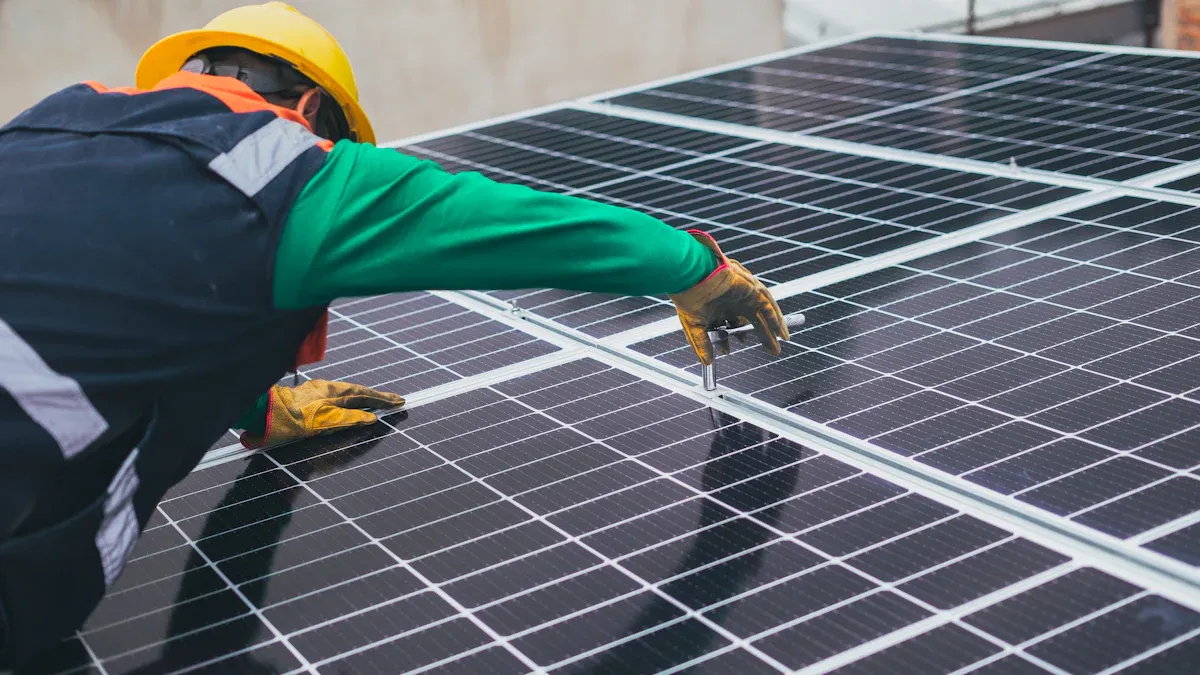
You start the installation process for ground mount solar by planning your project. You choose a spot with good sunlight and clear land. You work with experts to design your system. You get permits from your local office. You wait for approval before you begin. The installation process for ground mount solar includes several steps. Each step takes a different amount of time.
Here is a table that shows the typical timeline for ground-mounted installations:
Step | Duration |
|---|---|
Planning and Permitting | Few days to weeks |
Designing Your System | 1-2 weeks |
Getting Approval | 2-4 weeks |
Installation Day | 1-3 days |
Final Inspection and Activation | 1-2 weeks |
Total Time | 2-3 months |
You see that the installation process for ground mount solar takes about two to three months. You spend most of the time waiting for permits and approvals. The actual ground-mounted solar panel installation happens quickly, often in just a few days. You finish with a final inspection before you turn on your system.
Tip: You can speed up the installation process for ground mount solar by preparing your site early and working with a trusted installer.
You need to think about the cost of ground mount solar before you start. The price depends on your land, the number of panels, and the type of mounting system. You pay more for ground mount solar than for rooftop systems. You spend money on frames, posts, and site work. You may need to clear rocks or level the ground. The cost of ground mount solar also includes permits and inspections.
You can lower your costs by choosing simple mounting systems. You may qualify for tax credits or rebates. Many companies offer financing plans. You pay for your system over time. You save money on your electric bill each month. You can ask your installer about payment options and incentives.
Here are some things that affect your costs:
Size of your solar system
Type of mounting structure
Site preparation needs
Permit and inspection fees
Financing options
Note: You can use solar loans or leases to make ground mount solar more affordable.
You keep your ground mount solar panels working by cleaning them often. You check for dust, leaves, or snow. You use a soft brush or cloth to wipe the panels. You look for loose wires or broken parts. You fix problems quickly to avoid losing energy. You inspect your system after storms or heavy winds.
You do not need special tools for basic cleaning. You can walk up to your panels and check them. You keep weeds and grass trimmed around your system. You make sure nothing blocks the sunlight. You ask your installer for a yearly checkup. You follow their advice to keep your system safe.
Tip: Regular cleaning and quick repairs help your ground mount solar system last longer and make more energy.
You want your ground mount solar system to work well and last a long time. Haina Solar helps you from the first step to the last. The team guides you through planning, installation, and maintenance. You get expert advice and support at every stage.
Here is how Haina Solar works with you:
Site Assessment
You meet with Haina Solar experts. They visit your property and check the land. The team looks for sunlight, shade, and space. You get a clear idea of where to place your solar panels.
Custom System Design
Haina Solar creates a plan for your solar system. The design matches your energy needs and land size. You see how many panels you need and where they will go. The team explains the benefits of each option.
Permit and Paperwork Help
You do not need to worry about permits. Haina Solar handles the paperwork for you. The team knows local rules and helps you get approval faster.
Professional Installation
Skilled workers install your ground mount solar panels. They use strong frames and quality materials. You watch your system take shape step by step.
Training and Support
After installation, Haina Solar teaches you how to care for your system. You learn how to clean panels and check for problems. The team answers your questions and gives you tips.
Ongoing Maintenance
You get help even after your system starts working. Haina Solar offers regular checkups and fast repairs. You keep your solar panels working at their best.
Tip: Ask Haina Solar about their maintenance plans. Regular checkups help your system last longer and make more energy.
Benefits of Working with Haina Solar
Benefit | What You Get |
|---|---|
Expert Guidance | Clear answers and advice for every step |
Custom Solutions | A solar system designed for your property |
Quality Materials | Strong frames and reliable solar panels |
Fast Installation | Skilled workers finish the job quickly |
Easy Maintenance | Simple cleaning and support when you need it |
Local Knowledge | Help with permits and local rules |
You save time and avoid mistakes when you work with Haina Solar. The team makes sure your ground mount solar system fits your land and energy needs. You get peace of mind knowing experts handle every detail.
You can call Haina Solar for a free site check. The team will help you decide if ground mount solar is right for you.
Working with Haina Solar gives you confidence. You know your solar system will work well and help you save money. You get support from start to finish. Choose Haina Solar for a smooth and easy solar journey.
You have learned that ground mount solar systems use panels on frames in the ground. These panels turn sunlight into electricity for your home. You can put them in many places and clean them easily. But you need more land and they cost more money.
Pros: Makes more energy, simple to clean, can set up in many ways
Cons: Costs more, needs extra land, must get permits
If you need help choosing, talk to Haina Solar for advice. Their team can look at your land and help you pick the best solar system.
You install ground mount solar panels on open land. Rooftop solar panels go on your roof. Ground mount systems let you choose the best angle for sunlight.
You need about 100 square feet for every kilowatt of solar panels. A typical 5kW system uses around 500 square feet of open space.
You can add more panels to your ground mount system if you have extra land. This makes it easy to increase your energy production over time.
You need permits for ground mount solar panels. Local rules may require setback distances, height limits, or public hearings. Always check with your city before starting.
You clean ground mount solar panels by wiping them with a soft cloth or brush. You can reach them easily because they sit at ground level. Regular cleaning helps keep energy output high.
Ground mount solar systems usually cost more. You pay for extra frames, posts, and site work. The higher cost can lead to better energy production if you have good sunlight.
You should pick a spot with no shade for your panels. If your land slopes, you can use special mounting systems to keep panels at the right angle for sunlight.


