

Views: 0 Author: Site Editor Publish Time: 2025-09-18 Origin: Site


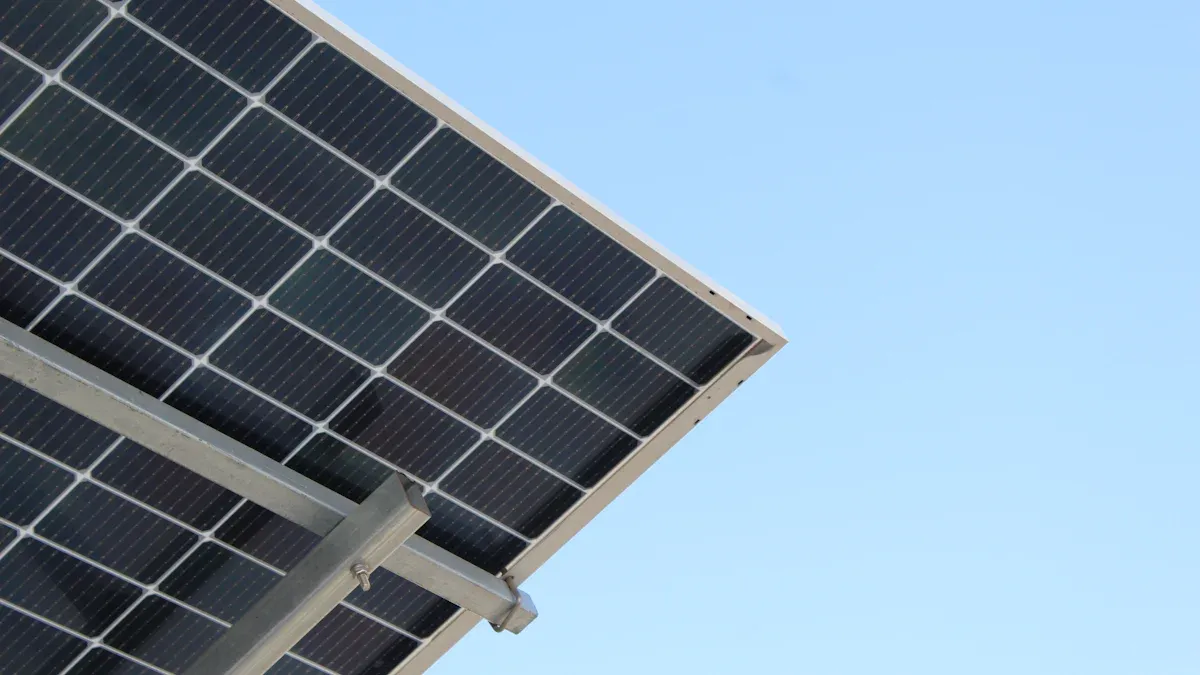
You might ask how bifacial solar panels work. These panels use both sides to catch sunlight. This helps them make 25% to 30% more energy than regular panels. They work very well in places with shiny ground, like snow or sand. The panels take in light from the top and the bottom. Many people use bifacial panels for big power plants, businesses, and homes. When you pick solar, look at how well it works, what your site needs, and the price to choose the best one.
Bifacial solar panels take in sunlight from both sides. This helps them make 25% to 30% more energy. These panels work best on shiny surfaces like snow or white gravel. Shiny surfaces help them make more energy. Buying bifacial panels costs more at first. But you can save money in 5 to 7 years. Bifacial panels are strong and last a long time. They work well in many kinds of weather. This makes them a good choice. To get more energy, put bifacial panels at least 1 meter above the ground. Make sure there is space between each row. Clean both sides of the panels often. This keeps the energy high. Look for government help to lower the starting cost. Check how much sunlight your site gets. See if the ground reflects light. This will help you know if bifacial panels are right for you.
Bifacial solar panels have a special design. You can see solar cells on both the front and back. This lets them catch sunlight from above and below. Many experts say bifacial solar panels work better than regular ones. They use both sides to make more electricity. You get more power from the same space. Bifacial solar modules look like glass sandwiches. The solar cells are in the middle. This design helps them last longer and work well in many places.
Bifacial solar panels use both sides to take in light. They get energy from sunlight on the front. They also get energy from light that bounces off the ground to the back. This helps them make more electricity, especially over bright surfaces like snow, sand, or white roofs. Bifacial solar modules work in many places. They do not need direct sunlight all the time.
You may wonder how bifacial solar panels turn sunlight into electricity. Here is how it works:
Bifacial solar cells use the photovoltaic effect on both sides.
The cells take in light from the sun and from the ground.
The panels check how well both sides work. This gives a number called the bifaciality factor.
Inside each cell, a p-n junction makes an electric field. When light hits the cell, it makes electron-hole pairs. The electric field moves these pairs and creates electricity.
You get more power when both sides collect light.
Bifacial solar panels have special features. You can see the main differences in this table:
Feature | Bifacial Solar Panels | Monofacial Solar Panels |
|---|---|---|
Design | Capture sunlight from both sides | Capture sunlight from the front side only |
Efficiency | Higher efficiency due to dual-sided capture | Limited efficiency, capturing only front light |
Energy Output | Higher potential energy yield | Lower energy yield |
Cost | Generally more expensive | Generally more affordable |
Durability | Reinforced glass on both sides | Single glass layer on the front side |
Installation | Can be installed in various orientations | Typically fixed, tilted installations |
Best Use Cases | Ideal for areas with reflective surfaces | Best for standard setups with direct sunlight |
Future Potential | Potential for architectural integration | Potential for increased efficiency |
Bifacial solar panels can give you up to 30% more energy in the right place. They work well in cool weather and on cloudy days. The panels use high-efficiency monocrystalline cells. This helps them make more power even when the sun is weak. You can put bifacial solar panels on the ground, on roofs, or in building designs.
Here are some key points about bifacial solar panels:
They make power from both sides, using reflected light for more energy.
You can get your money back faster, sometimes in 5-7 years.
Modern bifacial solar modules last longer and handle bad weather better than old ones.
You get more value from your money, especially if your site has lots of reflected light.
Tip: To get the most from bifacial solar energy, put your panels over a bright or shiny surface. This helps more light reach the back side.
Bifacial solar panels give you more choices and better performance than regular panels. You can use them in many places and get more energy, even if the weather is not perfect.
Bifacial solar panels make more energy in the same space. They use both the front and back to catch sunlight. This design helps you get 10% to 30% more energy. The amount depends on where you put them and what is under them. The ground under the panels and how much light bounces up matter a lot.
Here is a table that shows how much extra energy bifacial solar panels can make compared to regular panels:
Panel Type | Efficiency (%) | Energy Output Increase (%) |
|---|---|---|
Bifacial Panels | 22–23 | 30 |
Conventional Panels | N/A | N/A |
Bifacial solar panels can reach up to 23% efficiency. This is better than most regular panels. The extra energy comes from the back side. It collects light that bounces off the ground.
The type of ground under your panels is important. Here is a table that shows how much more energy you can get in different places:
Installation Type | Energy Output Gain |
|---|---|
Standard grass | 5-10% |
White commercial rooftops | 15-20% |
Fresh snow | Up to 30% |
Ground-mounted solar farms | 10-15% |
If you put bifacial solar panels over snow or white roofs, you get the most energy. Even on grass or dirt, you still get more power than with regular panels.
Tip: Put your bifacial solar panels over bright or shiny ground to get more energy.
Many things change how well bifacial solar panels work. You should think about temperature, the ground under the panels, and how you set them up.
Bifacial solar panels work well when it is cool outside. In cooler weather, they can make more energy than regular panels. Their two-sided design lets them use more light without getting too hot. Studies show bifacial panels do not get hotter than regular panels. Even when they catch more light from the back, they stay cool. This means you do not lose energy from heat.
Here is a table that shows how bifacial solar panels handle temperature:
Key Findings | Description |
|---|---|
Bifacial Performance | Bifacial solar panels can work better than regular panels in cool weather. |
Effective Heat Input | Light from the back adds heat but does not make the panels hotter. |
Temperature Monitoring | Bifacial panels stay as cool as regular panels most of the time. |
You can trust bifacial solar panels to work well, even when it is sunny or cold.
The ground under your bifacial solar panels matters a lot. This is called surface reflectivity or albedo. Surfaces like snow, white gravel, or white roofs bounce more sunlight. This extra light hits the back of your panels and helps make more energy.
Surfaces like snow and white gravel send more light to the back of your panels.
Each 0.1 increase in albedo gives you 3–5% more power from the back.
If you put bifacial panels over white gravel, you can get 15–20% more energy. Over dark dirt, you get only 5–8% more.
You can also help your panels by raising them higher off the ground. More space under the panels lets more light bounce up to the back. If you put the rows farther apart, each panel gets more light.
Here are some things that change how well bifacial solar panels work:
Module elevation: Higher panels catch more bounced light.
Inter-row distance: More space between rows means more light for each panel.
Ground material: Snow, sand, or white gravel bounce more light.
Ground albedo: Brighter ground helps your panels make more energy.
Note: For the best results, pick a bright ground and raise your bifacial solar panels higher.
Bifacial solar panels are a smart way to get more energy from the sun. You can use them in many places. You get better results if you pay attention to temperature and the ground under your panels.
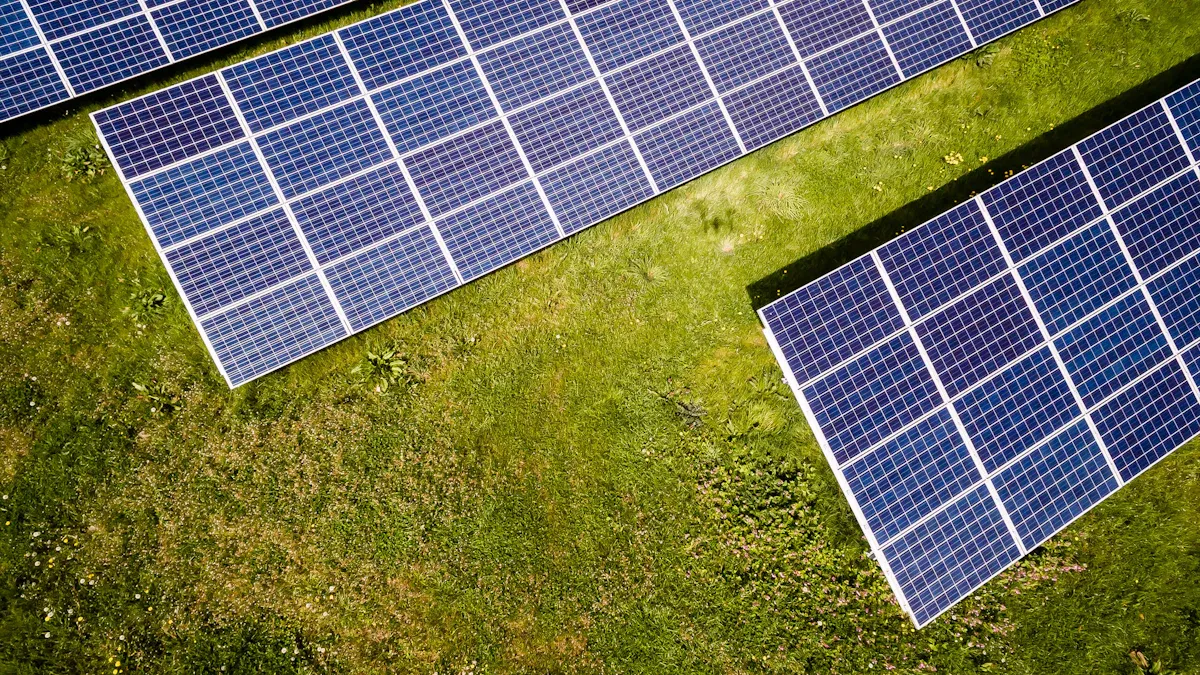
Bifacial solar panels are different from traditional panels. Bifacial panels use both sides to catch sunlight. Traditional panels only use the front side. This means bifacial panels can make more energy in the same space.
A study looked at a 10kW solar system. Ground-mounted bifacial panels made 23% more power than monofacial panels. These panels worked well in many types of weather and light. You can see the main differences in this table:
Metric | Bifacial Panels | Monofacial Panels |
|---|---|---|
Overall Energy Production | 5.5% higher | N/A |
Capacity Factor | Higher | N/A |
Demand Value ($/MWh) | $30-$49 | $23-$46 |
Energy Generation Increase | 5.5% over 7 months | N/A |
Bifacial panels catch light from both sides. This helps you get more energy. They also have a higher capacity factor. This means you use your solar system better. Over time, you can save more money on your energy bills.
Tip: To get the most from your solar panels, use bifacial panels where there is lots of reflected light.
You can use bifacial solar panels at home. They work on rooftops, carports, and pergolas. If your roof is white or light, you get even more energy. Bifacial panels look modern and fit in with your home’s style. They do not need direct sunlight all day. The panels use light that bounces off nearby things.
Some good things for your home are:
More energy from the same roof space.
Better on cloudy days.
Last longer and have strong glass.
If you want your home to use less energy, bifacial panels are a smart choice.
Bifacial solar panels are great for big projects. Large businesses and solar farms use them to get more power. In California’s desert, a big solar project used bifacial panels for better results. The project needed good equipment and careful planning.
You can use vertical bifacial systems in cities. These systems catch sunlight from both sides, even when the sun is low. This works well in places with tall buildings or far from the equator. You get more energy in less space.
Here are some reasons businesses pick bifacial panels:
More energy for large sites.
Work well in tough places like deserts.
Can be set up on roofs, parking lots, or open fields.
Note: For best results, raise and tilt your bifacial panels to catch more light.
Bifacial solar panels give you more choices for homes and businesses. You can use them in many places and get more energy.
Bifacial solar panels have many good points. These panels can make up to 30% more electricity. They do this by catching sunlight from both sides. The glass on both sides is strong. This helps the panels last longer and stay safe in bad weather. You will not need to fix them as often. Bifacial panels use new technology. This means you get more power from the same space. They also look modern and can make your property look nicer. Your home or business may be worth more. You can use bifacial panels in many places. They work on roofs, carports, and open fields. These panels are good for homes, businesses, and solar farms. Bifacial panels are good for the planet. They help lower pollution and use less fossil fuel. You can put these panels at different angles and heights. This helps you get more sunlight, even if your site is not perfect. Bifacial panels work well in many places. They do well in snow, sand, or on white gravel. They can handle different surfaces and light. You can use bifacial panels in creative ways. You can put them on building walls or in special projects.
Tip: For the most energy, put your bifacial panels over a bright or shiny surface.
Bifacial solar panels also have some problems. The table below shows some of these and what they mean for you:
Disadvantage | Description |
|---|---|
Higher manufacturing cost | Bifacial panels cost more to make because they need more parts and a harder design. |
Takes up more space | You need more room to set up bifacial panels, which is hard if you do not have much space. |
Installation and maintenance difficulties | You may need special workers to put in and take care of bifacial panels. This can take more time and money. |
Requires a reflective surface for maximum benefit | Bifacial panels work best on bright ground. Dark ground means you get less extra energy. |
Limited benefits for rooftop installations | Roofs can have shade or dark colors, so bifacial panels may not give you much more power. |
Heavier and harder to install | Bifacial panels are heavier and need stronger mounts. This makes putting them in place harder. |
Potential maintenance and cleaning challenges | You must clean both sides of the panels. The double glass can also break more easily. |
Note: Before you pick bifacial solar panels, check if you have enough space and a good ground for reflection. Think about the extra cost and if you can handle the special setup.
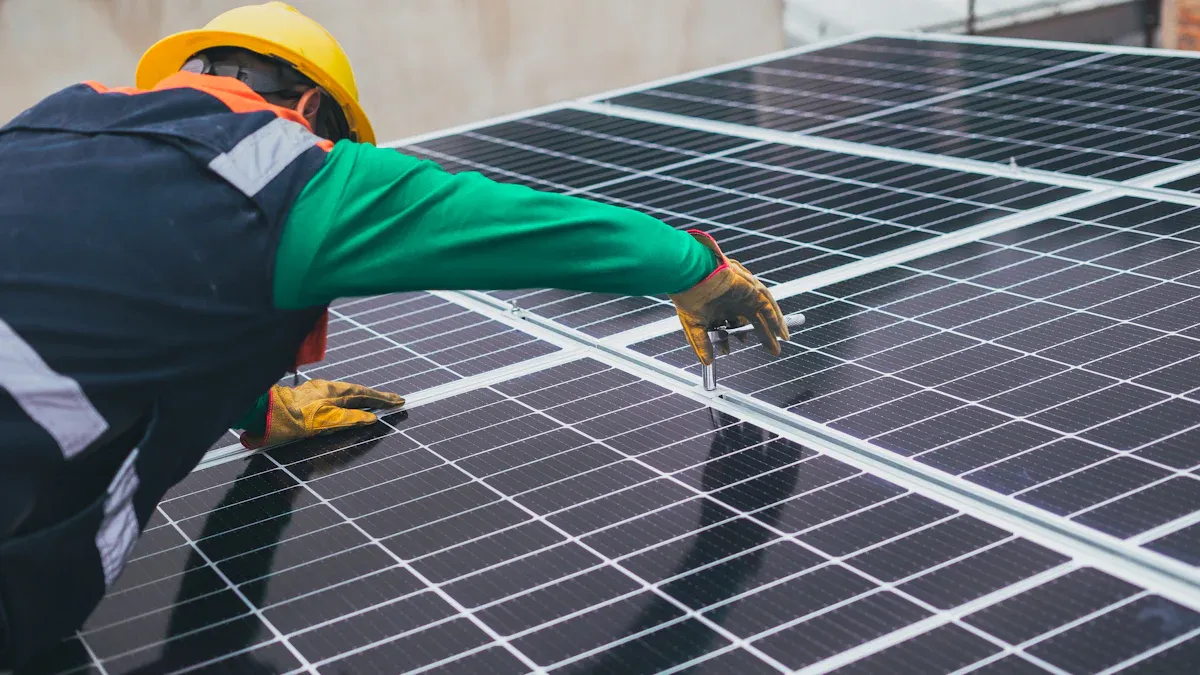
Choosing the right site helps you get the most from bifacial solar panels. You want a place with lots of sunlight and few shadows. Look for areas with bright or reflective ground, such as white gravel, sand, or even snow. These surfaces bounce more light onto the back of your panels, which increases energy production.
Here are some important steps for picking the best site:
Elevate your panels at least 1 meter (about 3.3 feet) above the ground. This height lets more light reach the back side.
Keep at least 2.5 meters between each row of panels. This spacing helps prevent shadows and allows more light to reflect up.
Pick a location with high-albedo surfaces. High-albedo means the ground reflects a lot of light.
Use light-colored materials, like white stones or special coatings, around your panels to boost reflectivity.
Choose mounting parts that let light pass through or bounce onto the panels.
Plan your cable layout so wires do not block sunlight from reaching the back.
Tip: The brighter the ground, the more energy your bifacial solar panels can make.
Mounting your bifacial solar panels the right way is key for high performance. You should leave a gap between the panel and the surface below. This gap lets reflected light reach the back side. Avoid placing panels directly on dark or non-reflective surfaces, such as black roofs or asphalt, because these absorb light instead of reflecting it.
Use racking systems made for bifacial panels. These racks have fewer parts that cast shadows.
Pick light-colored or reflective ground, like white gravel or special coatings, to boost rear-side energy.
Do not install panels in places with lots of obstructions, such as chimneys or tall walls, which can cast shadows.
Stay away from old-style racking systems that block the back of the panel.
If you follow these steps, you help your bifacial panels catch more light and make more power.
You can keep your bifacial solar panels working well by following some best practices. The table below shows what top installers suggest:
Best Practice | Description |
|---|---|
Choose the Right Solar Panel Type | Pick high-efficiency panels, such as monocrystalline or bifacial, for better energy generation. |
Optimize Panel Placement and Orientation | Make sure your panels face south and sit at the best angle. Keep them away from things that cast shadows. |
Schedule Routine Maintenance | Check and clean your panels often. Dust and dirt can lower the amount of energy you get. |
Note: Regular cleaning and inspections help your bifacial solar panels last longer and work better.
If you want to get the best results from your bifacial solar panels, you should follow some expert tips from Haina. These tips help you avoid common mistakes and make sure your panels work as well as possible.
1. Choose the Right Location
Pick a spot with lots of sunlight and little shade.
Use areas with bright or reflective ground, like white gravel or concrete.
Avoid places with tall trees or buildings that block the sun.
2. Raise Your Panels
Install your panels at least 1 meter (about 3.3 feet) above the ground.
Higher panels catch more light on the back side.
This setup works well for both homes and businesses.
3. Use Reflective Materials
Place white stones, sand, or special coatings under your panels.
These materials bounce more sunlight onto the back of the panels.
You can boost your energy output by up to 30% with the right surface.
4. Keep Panels Clean
Dust and dirt block sunlight and lower your energy production.
Clean both sides of your panels regularly.
Use soft brushes or water to avoid scratching the glass.
5. Check for Shadows
Make sure nothing blocks the sun from reaching your panels.
Watch out for new buildings, growing trees, or other changes around your site.
6. Use the Right Mounting System
Pick racks made for bifacial panels.
These racks have fewer parts that cast shadows.
Ask your installer about special mounting options.
7. Monitor Your System
Use a solar monitoring app or system to track your energy production.
Look for drops in output that might mean you need to clean or adjust your panels.
Tip: If you want the highest energy gains, combine several of these steps. For example, raise your panels and use white gravel underneath. This simple change can make a big difference.
Here is a quick table to help you remember Haina’s top tips:
Tip | Why It Matters |
|---|---|
Raise panels | More light reaches the back side |
Use reflective surfaces | Boosts rear-side energy production |
Clean panels often | Keeps energy output high |
Avoid shadows | Prevents loss of sunlight |
Monitor performance | Spots problems early |
If you follow these Haina tips, you can make your bifacial solar panels work better for you. You will save more money and help the planet at the same time.
Bifacial solar panels cost more at the start than regular panels. You pay extra because they use more materials and have a special build. Usually, you spend 10 to 15 Indian Rupees more per watt for bifacial panels. This is compared to monofacial panels. The higher price is because they need stronger glass and better technology.
Many things can change how much your whole setup costs. Here is a table that shows what affects the price:
Factor | Description |
|---|---|
Higher Upfront Costs | Bifacial panels generally have a higher initial investment compared to traditional panels. |
Complex Design and Installation | Requires careful design considerations, including module spacing and specialized equipment. |
Performance Variability | Performance can vary based on site conditions, affecting overall costs. |
Lack of Standardization | The absence of standard testing protocols can lead to increased costs and uncertainty. |
Even though you pay more at first, bifacial solar panels can make more energy over time. This means you might save money later.
You may wonder if bifacial solar panels are worth the price. It depends on how much energy you use and how much sun your site gets. Bifacial panels can make more electricity than regular panels. This extra power can help you get your money back faster.
If you use bifacial panels, you might see a lower cost for each unit of energy over time. This means you spend less for every bit of energy you make. Many people find that the higher starting price is balanced by savings on their bills. Sometimes, you can get your money back in five to seven years.
To get the best return, you should:
Put your panels over bright or shiny ground.
Keep your panels clean and out of the shade.
Use a good mounting system so light can reach both sides.
Tip: The more sunlight and reflected light your panels get, the quicker you will save money.
You can pay less for bifacial solar panels by using government programs. Many countries have ways to help you spend less on solar energy. These can be tax credits, rebates, or net metering.
Here are some common incentives you might see:
Government programs help lower the first cost of bifacial solar panels.
Tax credits give money back to businesses that use these panels.
Net metering lets you get credits for extra energy your system makes.
Some places have loans or leases to help you pay over time.
These programs make it easier to pick bifacial solar panels. They also help more people use clean energy. Always check what programs are in your area before you buy.
Note: Incentives can change. Ask your installer or local government for the newest information.
When you think about investing in bifacial solar panels, you want to know if they are the right choice for your needs. Haina has helped many people and businesses choose the best solar solutions. Here is what you should consider before making your decision.
1. Residential Users
If you own a home, you may want to save money on your energy bills. Bifacial solar panels can help you do that, especially if your roof or yard has a bright or reflective surface. You get more energy from the same space. You also get panels that last longer and look modern. If your roof is shaded or dark, you may not see as much benefit. In that case, regular panels might work better for you.
2. Commercial and Industrial Users
Businesses often have large, open spaces. You can use bifacial panels on flat roofs, carports, or open fields. These panels give you more energy and a faster return on your investment. You can lower your company’s energy costs and show your commitment to clean energy. If your site has white gravel, concrete, or snow, you will see even bigger gains.
3. Solar Farm Developers
If you build solar farms, you want the highest energy output. Bifacial panels work well in big projects. You can raise the panels higher and use reflective ground covers. This setup gives you up to 30% more energy. You also get strong panels that last for many years.
4. Cost vs. Value
You pay more upfront for bifacial panels. Over time, you save money because you make more energy. You get your investment back faster if you use the right site and setup. Haina recommends checking your site’s sunlight, ground type, and space before you buy.
Tip: Use a simple checklist to see if bifacial panels fit your needs:
Do you have a bright or reflective surface?
Can you raise your panels above the ground?
Do you want to get more energy from the same area?
Are you ready to invest a bit more for long-term savings?
User Type | Best Use Case | Haina’s Recommendation |
|---|---|---|
Homeowners | Bright roofs, open yards | Good choice if site is suitable |
Businesses | Flat roofs, carports, open fields | Strongly recommended |
Solar Farms | Large, reflective ground areas | Best value and performance |
Haina believes that bifacial solar panels offer great value if you match them to the right site. You get more energy, better durability, and a modern look. If you want to know more, Haina can help you review your site and choose the best solar solution.
You have learned that bifacial solar panels use both sides to make more energy. These panels work best on bright or reflective surfaces. They cost more at first, but you can save money in a few years. Check the table below for key facts:
Key Point | Description |
|---|---|
Bifacial panels absorb sunlight from both sides for more power. | |
Cost Savings | Higher upfront cost, but savings can offset this within four years. |
To see if bifacial panels fit your needs, follow these steps:
Check your site’s surface reflectivity.
Look at the tilt angle you can use.
See if your roof is metal or white.
Think about snow cover or sandy areas.
Make sure you have space for ground-mount or flat roof systems.
For expert advice, reach out to Haina. You can get help to choose the best solar solution for your site.
Bifacial solar panels collect sunlight from both the front and back sides. Regular panels only use the front side. You get more energy from the same space with bifacial panels.
Yes, you still get energy on cloudy days. Bifacial panels use light that bounces off the ground and nearby surfaces. You do not need direct sunlight all the time.
You should clean both sides with water and a soft brush. Avoid harsh chemicals. Clean panels work better and last longer. Check your panels often for dust or dirt.
Yes, you can use them on your roof. You get the best results if your roof is light-colored or reflective. Flat roofs and carports work well with bifacial panels.
Bifacial panels have strong glass on both sides. They handle wind, rain, and snow well. You get a durable product that lasts many years.
You pay about 10% to 15% more for bifacial panels than for regular panels. The extra cost comes from stronger materials and special design. You save money over time with higher energy output.
You need mounting racks that let light reach the back side. Some racks have fewer parts that cast shadows. Ask your installer for racks made for bifacial panels.
Tip: Always check with a solar expert before you buy or install bifacial solar panels.


