

Views: 0 Author: Site Editor Publish Time: 2025-09-22 Origin: Site


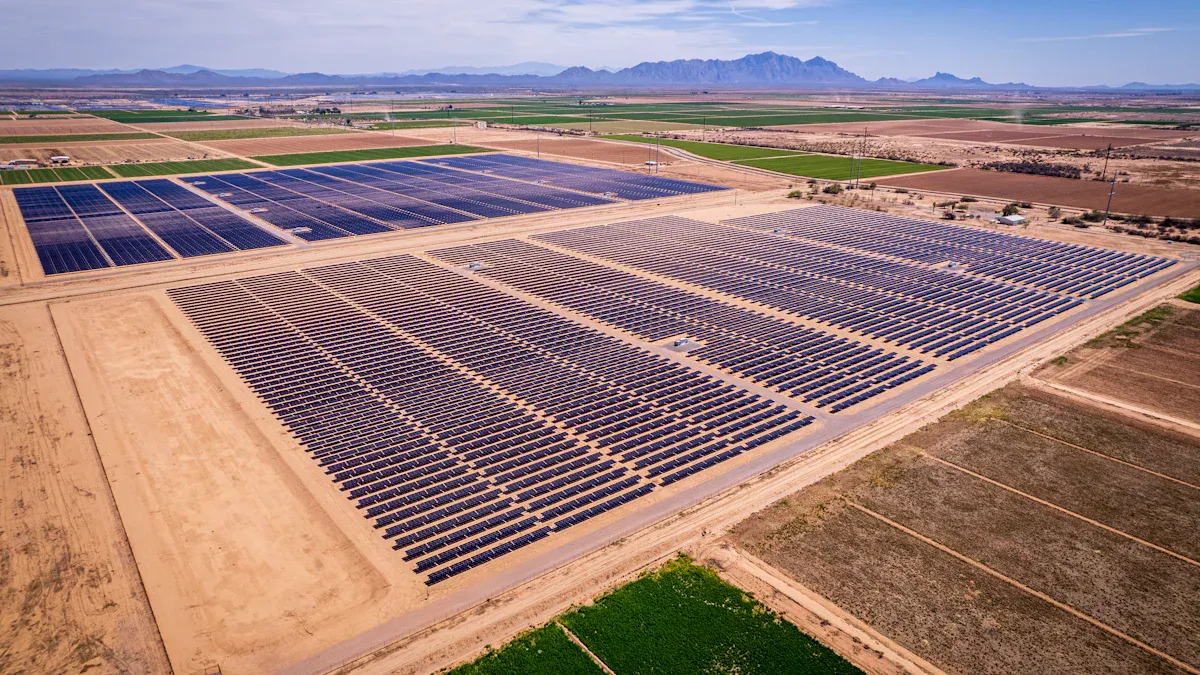
The best solar system for you depends on what you need. You should think about your energy use, your money, and how much freedom you want. Off grid solar gives you full control over your power. But it costs more because you need battery storage. Grid-tied solar connects to the utility grid. It usually costs less. You can get your money back in 5 to 10 years. Hybrid solar systems mix both types. They give you more choices. But the cost and payback time can change. You should check the average costs and payback times before you pick:
System Type | Average Cost | Payback Period |
|---|---|---|
Grid-tied | Competitive, 41% cheaper than fossil fuels | 5-10 years |
Off-grid | Higher due to battery storage | Long-term savings, value of independence |
Hybrid | Varies by electricity rates | 8-20 years |
Think about your daily life. Decide how much you want your solar power to work all the time. Also, think about what you can spend.
Pick the best solar system for your needs and budget. Think about how much energy you use and how much freedom you want. Off-grid solar systems give you full control and freedom. But they cost more at first and need more care. Grid-tied solar systems cost less and are easy to take care of. But they need the utility grid to work. Hybrid solar systems are flexible and give backup power. They mix the good parts of off-grid and grid-tied systems. Look at the average costs and how long it takes to get your money back. This helps you make a smart choice. All solar systems need regular care to work well and last long. Think about how much energy you will need in the future. Pick a system that can grow with you. Talk to solar experts to avoid mistakes. They can give you advice that fits your needs.
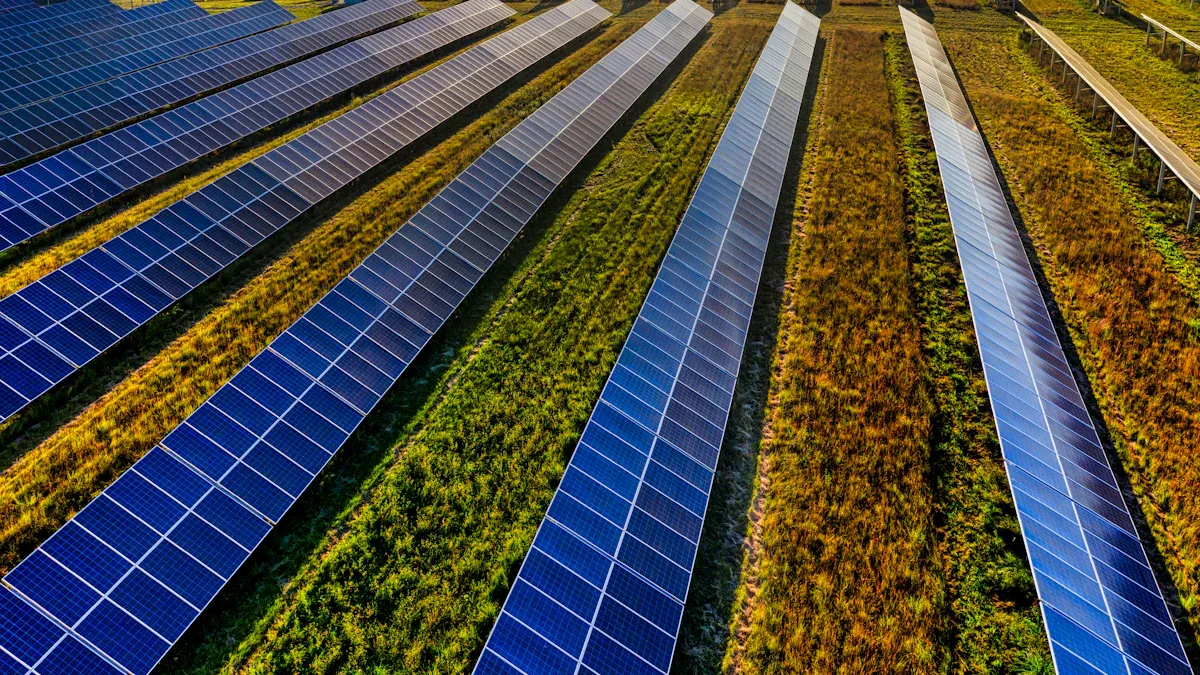
Off grid solar systems do not connect to the utility grid. You use only your own power. These systems need batteries to save energy for later. You also need a charge controller. It helps move energy from panels to batteries. The inverter changes stored energy into electricity for your home.
Tip: Off grid solar lets you be fully independent. You do not need the grid at all.
Solar panels collect sunlight. They send electricity to a charge controller. The controller keeps batteries from getting too full. Batteries hold the energy until you need it. When you turn on something, the inverter gives you usable power. You must plan your system so you always have enough power.
Grid-tied solar systems connect to the utility grid. You do not need batteries for backup. The system uses an inverter that matches the grid’s power. If your panels make extra electricity, you send it to the grid. Many places give you credits or money for this.
Solar panels make electricity during the day. The inverter sends power to your home and the grid. If you need more power, you use electricity from the grid. If you make extra, you send it back. You always have power, even when the sun is not out.
Hybrid solar systems mix off grid and grid-tied systems. You connect to the grid and have batteries for backup. The system uses a special inverter with a switch. This lets you use solar, battery, or grid power when you need it.
Feature | Off-Grid Systems | Grid-Tied Systems | Hybrid Systems |
|---|---|---|---|
Grid Connection | Works without the grid | Connects to the utility grid | Connects to the grid and has batteries |
Battery Storage | Needs batteries for backup | Usually does not have batteries | Has batteries for backup |
Inverter Technology | Inverters for direct power use | Inverters for grid connection | Inverters with a switch |
Solar panels make electricity. The system uses this power in your home first. Extra power charges your batteries. When batteries are full, you send extra power to the grid. If you need more power, you use the grid or your batteries. This setup gives you backup and helps you save money.
Note: Every solar system has important parts like solar panels, charge controllers, inverters, and sometimes batteries. These parts work together to give you steady power.
If you pick an off-grid solar system, you get full energy freedom. You do not need the utility grid. This means you do not worry about blackouts or higher bills. Off-grid solar works well in places far away from cities. You help nature by using clean energy. This lowers pollution and your carbon footprint. Many off-grid systems use low voltage. Sometimes, you can set them up yourself if you know how.
You have total control over your power.
You do not face problems from grid outages or price hikes.
You help the earth by cutting down pollution.
You can use off-grid solar in faraway places.
You might install some systems yourself if you have basic skills.
Tip: Off-grid solar helps you live on your own without the grid.
Off-grid solar systems have some tough parts. You need more panels and batteries to save power for cloudy days and nights. The starting price is higher because you buy batteries, a charge controller, and other gear. You must keep up with cleaning and checking your system often. If you use too much power, you might run out of stored energy. This can happen when there is not much sunlight.
Challenge | Description |
|---|---|
Maintenance Requirements | You need to clean panels, stop rust, clear snow, and check for water. |
Initial Costs | You pay more at first for panels, batteries, and setup. |
Load Management | You must watch your power use so you do not drain batteries. |
Weather Dependency | Less sun means less power, which can lead to shortages. |
Limited Energy Storage | Batteries hold only so much, so you must plan for cloudy days. |
If you want to be in charge of your own power, off-grid solar is a good pick. You do not need the grid, so you can live far from towns or cities. Many people like off-grid solar because they want freedom and do not want blackouts or high bills. This system is best for those who want to be self-reliant and have full energy control.
You need to plan for higher costs at the start with off-grid solar. You pay for panels, batteries, and setup. You also need money for cleaning and replacing batteries later. Some people save money over time because they do not pay monthly bills. You might get help from government programs or tax credits to lower your costs. Careful planning and a clear budget help you get the most from your money. If you want expert help, Haina can guide you on costs and choices.
You can enjoy many benefits when you choose grid-tied solar systems for your home. These systems connect directly to the utility grid, so you do not need to worry about storing energy in batteries. This setup makes your system simple and efficient. You can lower your electricity bills because you use the power from your solar panels first. When your panels make more electricity than you need, you send the extra back to the grid.
You save money on your electricity bills.
You help the environment by using clean energy.
You pay less at the start compared to off-grid systems.
You do not need to buy or maintain batteries.
You get a steady supply of power from both your panels and the grid.
You may receive government incentives for installing solar.
You can expand your system easily if your energy needs grow.
Tip: Grid-tied solar systems let you use solar energy without worrying about running out of power.
Grid-tied systems have some limits you should know about. You still depend on the utility grid. If there is a power outage, your system will stop working to keep utility workers safe. You do not have backup power unless you add batteries. You also stay affected by changes in utility rates and policies.
Disadvantage | Description |
|---|---|
No power during outages | Your system shuts down if the grid goes out. |
Dependency on the grid | You remain tied to utility rules and price changes. |
You do not have power during blackouts.
You cannot be fully independent from the grid.
Grid-tied solar works best for people who live in cities or suburbs. If you have a stable grid and net metering, you can get the most value. You do not need to worry about storing energy. You can cut your electricity costs and help the planet at the same time. Homeowners who want easy maintenance and lower upfront costs often choose this system. Grid-tied solar systems can also raise your property value.
When your solar panels make more electricity than you use, you can sell the extra power to the grid. This process is called net metering. You may earn credits or even money for the energy you send back. Some people save between $50 and $300 each month. In the best cases, savings can go over $700. You might also earn Solar Renewable Energy Certificates (SRECs) for the clean energy you produce. Selling your extra power helps the grid use more renewable energy and lowers pollution.
Grid-tied systems cost less to install than off-grid or hybrid systems. You do not need to buy batteries, which saves you money. Maintenance is simple because you only need to check your panels and inverter. You get reliable power because you use both solar and the grid. If your panels do not make enough energy, you can always draw from the grid. This setup gives you peace of mind and steady savings.
Note: Grid-tied solar gives you a smart way to save money, help the environment, and enjoy reliable power if you live in the right area.
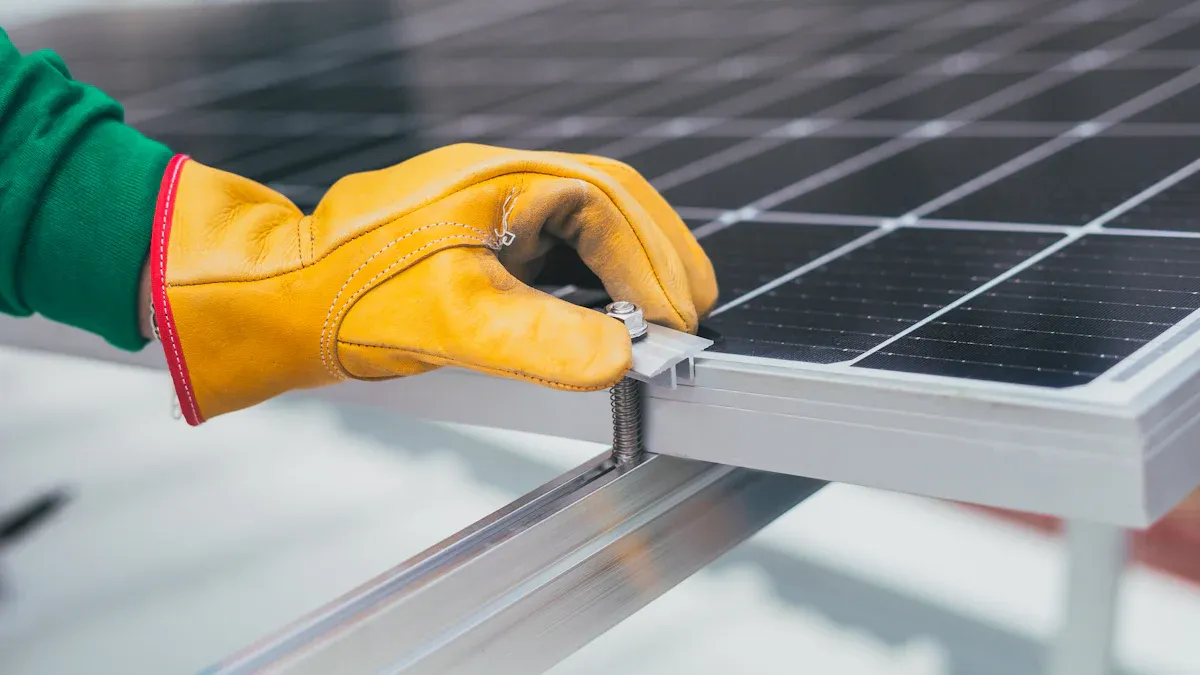
Hybrid solar systems give you many benefits. They connect to the grid and use batteries for backup. You can use solar power during the day. Extra energy goes into batteries. If you need more power, you can use the grid. This setup gives you steady electricity, even in outages. Special inverters switch between solar, battery, and grid power. You do not need to worry about losing electricity.
Here is a table that shows how hybrid solar systems compare to other types:
Feature | Hybrid Systems | Off-Grid Systems | Grid-Tied Systems |
|---|---|---|---|
Battery Backup | Yes, provides stored energy during outages | Yes, fully independent but limited by battery size | No, relies solely on grid power |
Grid Support | Yes, can draw from grid and send excess energy | No, completely independent | Yes, relies on grid for power |
Versatility | Combines benefits of both systems | Limited to battery capacity | Limited to grid availability |
Automatic Transfer | Yes, instant transfer during outages | N/A | N/A |
Hybrid solar systems let you control your energy use. You can save money by using stored solar power when prices are high. You help the earth by using clean energy.
Tip: Hybrid solar systems keep your lights on during blackouts and help you manage your energy costs.
Hybrid solar systems have some hard parts. You need to pay more at first. The system uses batteries, inverters, and other parts that cost more than grid-tied systems. Batteries need care and will wear out after some years. You may need to buy new batteries later. Weather can change how much solar energy you get and store. Hybrid systems are more complex, so you may need expert help to set up and fix them.
High starting costs for equipment and setup
Batteries need regular care and replacement
Weather can change how panels and batteries work
System design and upkeep are harder than other types
Hybrid solar systems are good for people who want both freedom and steady power. If you want to use solar energy but also need backup from the grid, hybrid solar is a smart pick. You get power during outages and save money by using stored energy when prices are high.
Hybrid systems give you great flexibility. You can use energy from solar panels, batteries, or the grid. This means you always have power, even if the sun is not out or the grid stops. You can choose how much energy you use from each source. Hybrid solar systems help you control your energy costs and keep your home running well.
Use energy from solar, batteries, and the grid
Enjoy steady power all the time
Control your energy spending
Hybrid solar systems are easy to make bigger. You can add more solar panels or batteries as you need. Smart meters and home energy monitors help you see your energy use. You can find which things use the most power and change your system for better results. Hybrid systems work well for homes and businesses that want to grow their solar setup over time.
Key Findings | Description |
|---|---|
100% Autonomy | You can get full energy freedom with the right setup. |
Demand Satisfaction | Hybrid systems can meet almost all your energy needs. |
Efficiency | You can match your energy supply and demand more closely. |
Note: Hybrid solar systems let you change and grow your energy system as your needs change.
When you compare solar panel systems, cost is often the first thing you notice. Each type of system has a different price tag and savings potential.
Off-grid solar installation costs more at the start. You pay for panels, inverters, and solar battery storage. A complete off-grid solar kit can cost around $14,000. If you buy each part on its own, you might pay even more. Installation costs can range from under $1,000 to above $4,000, depending on who does the work.
Grid-tied solar panel systems usually cost less to install. You do not need battery storage, so you save money. These systems are the most common for homes. You can lower your bills and sometimes earn credits for extra power you send to the grid.
Hybrid solar systems have a higher price than grid-tied systems. You pay for both grid connection and solar battery storage. The cost can change based on how many batteries you need and your local electricity rates.
You may spend more at first for off-grid or hybrid systems, but you can save money over time. Off-grid systems remove your monthly electricity bill. Hybrid systems help you save by using stored solar energy when prices are high. Grid-tied systems give you fast savings, but you still depend on the grid during outages.
Tip: The return on investment for solar energy can reach 8% to 16% each year, which is better than many savings accounts.
Reliability means you can count on your solar system to give you power when you need it. Each system type has its own strengths and limits.
Off-grid solar systems give you full control. You rely on your own solar panels and battery storage. If you plan well, you can avoid blackouts. You must watch your storage and use energy wisely, especially during cloudy days.
Grid-tied solar systems connect to the utility grid. You get steady power as long as the grid works. If the grid goes down, your system stops working to keep workers safe. You do not have backup unless you add storage.
Hybrid solar systems offer the best of both worlds. You use solar energy, battery storage, and the grid. If the grid fails, your batteries keep your lights on. This setup gives you more reliability, but you must care for your batteries and check your system often.
You can measure reliability with special numbers like SAIDI and SAIFI. These numbers show how often and how long power goes out. Adding solar battery storage and even electric vehicles can make your system more reliable. If you use only solar panels without storage, you may not improve reliability because the sun does not always shine.
Note: Hybrid and off-grid systems with battery storage give you better backup during outages. Grid-tied systems need anti-islanding protection, so they stop working when the grid is down.
Energy independence is a big reason people choose solar. You may want to control your own power and avoid utility bills.
Solar System Type | Energy Independence |
|---|---|
Grid-Tied | Partial |
Off-Grid | Complete |
Hybrid | High |
Off-grid solar systems give you complete independence. You do not need the grid at all. You use solar panels and battery storage to meet all your needs.
Grid-tied solar systems give you some freedom. You use solar energy, but you still depend on the grid when your panels do not make enough power.
Hybrid solar systems offer high independence. You use solar, storage, and the grid. You can run your home even during outages, as long as your batteries have enough charge.
You get the most independence with off-grid systems. Hybrid systems give you almost as much freedom, with the added benefit of grid support. Grid-tied systems help you save money, but you still rely on the utility company.
Tip: If you want to be free from the grid, choose off-grid or hybrid solar panel systems with strong battery storage.
When you choose a solar system, you should think about how much work it takes to keep it running well. Each type of solar system has different maintenance needs.
Off-grid solar systems need more care. You must clean the panels often to keep them working at their best. You also need to check all the connections and test the battery banks. If you live in a place with harsh weather, you may need to do these tasks more often. Smaller off-grid systems usually need less work, but you still have to watch them closely.
Grid-tied solar systems are easier to maintain. You only need to do a visual check once a year and clean the panels when they get dirty. These systems often last 25 to 30 years or more with little effort from you. Many grid-tied solar systems let you use a smartphone app to watch how much energy you make and use. This helps you spot problems early and keep your system running smoothly.
Hybrid solar systems combine parts from both off-grid and grid-tied setups. You need to care for the batteries and check the panels, just like with off-grid systems. You also get the easy monitoring tools from grid-tied systems. This means you have to do a bit more work than with grid-tied solar, but you get more control and backup power.
Tip: Regular cleaning and checking your solar system helps you get the most energy and keeps your equipment working longer.
Solar systems help you lower your carbon footprint, but each type has a different effect on the environment. The impact depends on how the system is made, set up, and used over time.
Some solar system setups use less energy to make and recycle, which means they release less carbon dioxide. One type of solar system can emit as little as 17.9 grams of CO2 for every kilowatt-hour of energy it makes. This is much lower than most other energy sources.
Off-grid solar systems often use more batteries, which can add to the environmental impact when you make and throw away the batteries. However, you still cut down on pollution compared to using fossil fuels.
Grid-tied solar systems usually have the lowest carbon emissions. They use fewer batteries, so they create less waste and use less energy during their life cycle.
Hybrid solar systems can help reduce greenhouse gases. They let you use clean energy and store it for later, which supports a more sustainable way of living.
Note: Choosing the right solar system helps you protect the planet and support a cleaner future.
You need a clear plan before you choose a solar system. Start by looking at your energy use. Write down how much electricity you use each month. Check if you want to power your whole home or just some devices. Think about your budget. Decide how much you can spend on panels, batteries, and installation. Look at your roof space and sunlight hours. Make sure your home gets enough sun for solar panels to work well.
Here is a simple checklist to help you:
Measure your monthly electricity use.
Decide if you want full or partial solar power.
Set your budget for equipment and installation.
Check your roof size and direction.
Find out how many hours of sunlight you get.
Ask about local rules and permits.
Learn about government incentives or rebates.
Compare different solar system types.
Plan for future energy needs.
Tip: Write down your answers to each step. This helps you see which solar system fits your needs best.
You should match your solar system to your lifestyle and goals. If you want full independence, off-grid solar works best. You will need batteries and more panels. If you want to save money and stay connected to the utility grid, grid-tied solar is a good choice. This system lets you use solar energy and sell extra power to the grid. If you want backup power and flexibility, hybrid solar gives you both.
Use this table to match your needs:
Your Goal | Best Solar System Type | Why It Fits You |
|---|---|---|
Total independence | Off-grid | No need for grid, full control |
Lower bills, easy setup | Grid-tied | Uses grid, simple, less maintenance |
Backup power, flexibility | Hybrid | Uses solar, batteries, and grid together |
Think about your future plans. If you want to add more panels or batteries later, hybrid solar makes it easy. If you live far from the city, off-grid solar helps you stay powered. If you want quick savings and easy care, grid-tied solar is simple to manage.
Note: Your choice depends on your home, budget, and how much control you want over your energy.
Many people make mistakes when picking a solar system. You can avoid problems by learning what to watch out for.
Some homeowners choose solar systems that are too big. Oversized systems can waste money and may not meet utility rules.
People often forget to ask about warranties for panels, batteries, and inverters. If something breaks, you might pay more to fix it.
You might not ask enough questions about system parts. If you do not know what each part does, you could face trouble later.
Some people ignore local rules or permits. This can cause delays or extra costs.
You may forget to plan for future energy needs. If your family grows or you buy new devices, your solar system might not keep up.
Tip: Always ask about warranties and system parts before you buy. Make sure your solar system matches your needs and local rules.
If you want expert advice, Haina can help you avoid these mistakes. You can ask questions and get clear answers before you decide.
Choosing the right solar system can feel confusing. You want to make the best choice for your home and your future. Use these expert tips to guide your decision and avoid common mistakes.
Start With a Solar Assessment
You should always begin with a full assessment of your energy needs. Write down how much electricity you use each month. Look at your past bills. This step helps you pick the right size for your solar system.
Think About Your Location
Your location affects how much sunlight your panels will get. If you live in a sunny area, you can use fewer panels. If you get less sun, you may need more panels or a bigger battery. Check your roof direction and shade from trees or buildings.
Plan for the Future
Your energy needs may grow. You might buy an electric car or add new appliances. Choose a solar system that you can expand later. Hybrid systems often make it easy to add more panels or batteries.
Understand Battery Choices
Batteries store extra solar energy for later use. Not all batteries work the same way. Some last longer or charge faster. Ask about battery life, warranty, and replacement costs. This helps you avoid surprises.
Check Local Rules and Incentives
Many places offer rebates or tax credits for solar. Some areas have special rules for connecting to the grid. Always check local laws before you buy. This can save you money and time.
Compare System Types Side by Side
Use a table to see the main differences:
System Type | Best For | Needs Batteries | Works in Outages | Can Sell Power |
|---|---|---|---|---|
Off-Grid | Full independence | Yes | Yes | No |
Grid-Tied | Lower bills, easy care | No | No | Yes |
Hybrid | Flexibility, backup | Yes | Yes | Yes |
Ask About Warranties and Support
Good solar systems come with strong warranties. Ask how long the panels, inverters, and batteries are covered. Find out who will help if something breaks. Reliable support gives you peace of mind.
Work With Trusted Experts
You should talk to experts before making a final choice. Haina offers advice and support for every step. Their team can help you design a solar system that fits your needs and budget.
Tip: Take your time. Do not rush your decision. A well-planned solar system will save you money and give you reliable power for years.
Monitor Your System
Many solar systems let you track your energy use with an app or online tool. Use these tools to spot problems early and keep your system working well.
Stay Informed
Solar technology changes fast. New panels and batteries come out every year. Keep learning about new options. This helps you get the most from your investment.
By following these expert tips, you can choose a solar system that matches your goals. You will enjoy clean energy, lower bills, and greater control over your power. If you need help, reach out to Haina for expert advice and support.
You can start your solar journey with a few clear steps. Taking the right actions early helps you avoid problems later. Here is a simple path you can follow:
Sign your contract and schedule your site assessment. This step sets your project in motion.
Let a professional visit your property for an on-site assessment. The expert will take measurements and check your roof, shade, and wiring.
Work with your installer to finalize your solar system design and site plans. You will see how the panels fit your home and meet your energy needs.
Tip: Keep all your paperwork in one place. This makes it easy to track your progress.
You should always ask questions during each step. Understanding the process helps you feel confident about your solar investment.
You do not have to handle the solar process alone. Many people feel unsure when they start. You can get help from experts who know the details. Haina offers support at every stage. Their team answers your questions and explains each part of the process. If you have a problem, you can reach out for quick help.
Here is what you can expect from good support:
Support Type | What You Get |
|---|---|
Technical Help | Answers about equipment and setup |
Paperwork Guidance | Help with permits and applications |
Ongoing Assistance | Support after your system is running |
Note: Reliable support makes your solar experience smooth and stress-free.
A consultation gives you a chance to talk with a solar expert before you make big decisions. You can share your energy goals and budget. The expert will look at your home and suggest the best system for you. Haina offers free consultations to help you get started. You can ask about costs, savings, and how to expand your system in the future.
During your consultation, you should:
Bring your recent electricity bills.
Ask about different solar system types.
Discuss your long-term plans for energy use.
You will leave the meeting with a clear plan. You will know what to expect and how to move forward with your solar project.
Tip: A good consultation helps you avoid mistakes and choose the right solar system for your needs.
System Type | Independence | Cost | Backup Power |
|---|---|---|---|
Off-Grid | Full | High | Yes |
Grid-Tied | Partial | Low | No |
Hybrid | High | Medium | Yes |
You should think about your energy needs and budget before you choose. Each system gives you different benefits. If you want help, contact Haina for expert advice. Make a smart choice and start your solar journey today.
Off-grid systems work alone with batteries. Grid-tied systems connect to the utility grid. Hybrid systems use both the grid and batteries. You choose based on your need for independence, backup power, and cost.
Yes, you can sell extra power with a grid-tied or hybrid system. This process is called net metering. You earn credits or money for the electricity you send back to the grid.
You need batteries for off-grid and hybrid systems. Grid-tied systems do not require batteries. Batteries store extra energy for use at night or during outages.
Solar panels often last 25 to 30 years. Most batteries last 5 to 15 years, depending on the type and how you use them. You may need to replace batteries before your panels.
Off-grid and hybrid systems with batteries keep working during outages. Grid-tied systems stop working when the grid goes down. You need batteries for backup power.
You should clean your panels a few times each year. Off-grid and hybrid systems need battery checks. Grid-tied systems need less care. Regular checks help your system last longer.
Yes, you can add more panels or batteries to most systems. Hybrid systems make expansion easy. Always check with your installer before making changes.
You can talk to solar experts like Haina. They help you understand your needs, compare options, and plan your system. A good expert answers your questions and supports you from start to finish.


