

Views: 0 Author: Site Editor Publish Time: 2025-11-10 Origin: Site


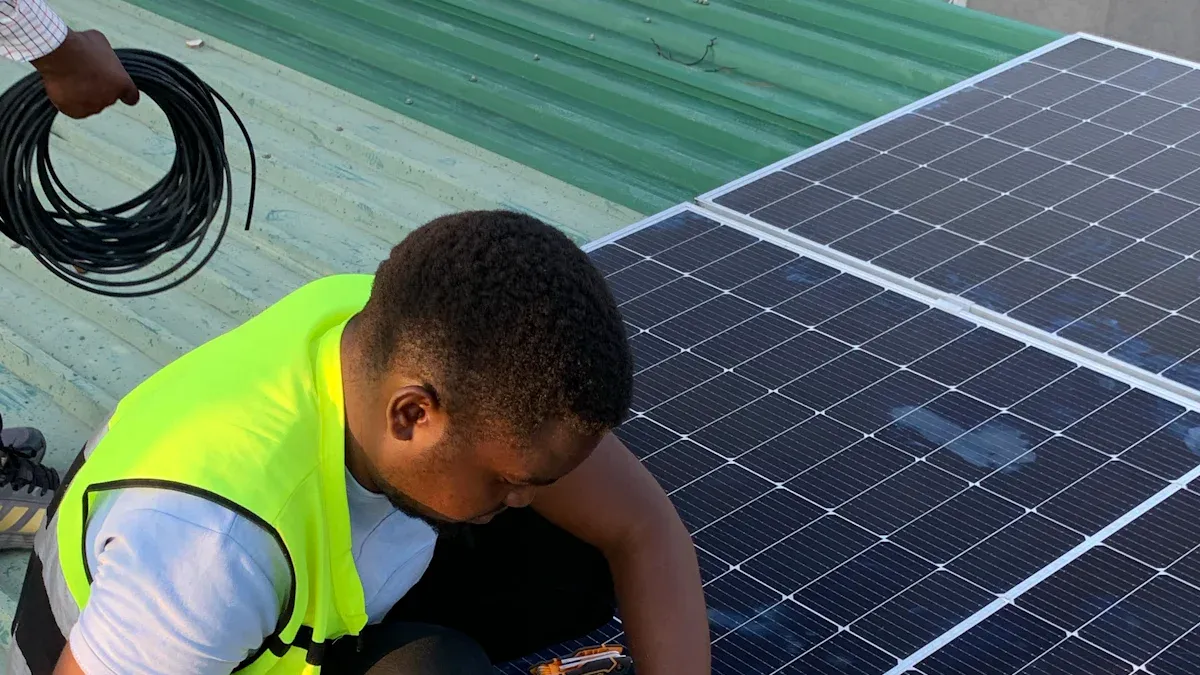
Are you looking for a step-by-step guide to installing a 10kW solar system at home? Begin by evaluating your roof space, securing the necessary permits, mounting the solar panels, wiring all components, testing the system, and finally connecting it to the grid. Safety is crucial throughout the installation process, so be aware of common risks such as trips, falls, and electrical hazards. Here’s a quick overview of potential issues you might encounter:
Incident Type | Description |
|---|---|
Trips and Falls | Falls can occur on sloped roofs where protective measures are limited. |
Electrical Hazards | Shock or burns may happen if you overlook important safety steps. |
Strains/Sprains | Lifting heavy panels can lead to back or arm injuries. |
Cold/Heat Illnesses | Extreme weather can cause illness if you don’t take breaks or stay hydrated. |
Before starting, consider your DIY abilities. Sometimes, hiring a professional is the safest option for you and your home. Following a step-by-step guide to installing a 10kW solar system can help you save money, reduce your energy bills, and promote clean energy.
Check your roof space before you start. You need at least 530 square feet for a 10kW solar system.
Get all the permits you need and follow local rules. If you skip permits, you might get fined or have safety problems.
Think about your DIY skills. If you are not sure, hire a professional to keep things safe and follow the rules.
Use good tools and materials when you install. You need solar panels, inverters, and safety gear.
Clean your solar panels often to keep them working well. Dust and dirt can block sunlight and lower energy.
Watch how your system works. Use apps to check energy and find problems early.
Follow safety rules when you install. Always wear safety gear and look for dangers before you start.
Know about common mistakes like bad panel placement and unsafe wiring. Good planning can stop these problems.
A 10kW solar system uses solar panels to make electricity for your house. Most homes need between 475 and 620 square feet of roof space for this system. If you pick 400-watt panels, you will need about 25 panels. Each panel takes up about 17 square feet. You should plan for around 530 square feet to have enough room. A 10kW solar system can give most homes the power they need. It helps lower your energy bills and supports clean energy.
Here is a simple chart showing how much energy you might get:
Region | Average Monthly Generation (kWh) |
|---|---|
Nationwide | 700 - 1800 |
Southern States (e.g., AZ, CA, TX) | 1200 - 1800 |
Mid-Atlantic and Midwest States (e.g., PA, IL, OH) | 900 - 1400 |
Northeastern and Northwestern States (e.g., WA, MN, NY) | 700 - 1100 |
Each day, you can expect between 30 and 45 kWh. This adds up to 11,000 to 17,000 kWh every year.
When you put in a solar power system, you get many good things. You save money on your electric bills. Most people save about $1,970 each year. Depending on your rates and how much power you use, you could save $1,500 to $3,000. You can also sell extra electricity back to the grid for more savings or credits.
Solar energy is clean and renewable. It does not make bad emissions or pollution. By using solar, you help fight climate change and lower your carbon footprint. It is also a smart investment. Most solar power systems pay for themselves in 5 to 10 years. The system can last over 25 years. You might get tax breaks and your home value can go up.
Tip: Installing solar power helps you avoid higher energy costs and supports a cleaner planet.
You might wonder if you should try installing a 10kW solar system by yourself. Doing it yourself can save money, but you need the right skills. You should know how to install a 10kW solar system safely. You need to understand wiring and how photovoltaic technology works. You must follow safety rules to stay safe. Good problem-solving skills help you fix things if something goes wrong. Paying close attention helps you line up panels and secure hardware. You also need to know local codes and permit rules.
If you feel unsure about any step, you should think about hiring a professional. Safety and doing the job right are most important. No matter what you choose, following a step-by-step guide to installing a 10kW solar system will help you get the best results for your home.
Stage | Description |
|---|---|
Site Assessment | Check sunlight, roof direction, and roof strength for best energy. |
Mounting | Put solar panels on your roof or on the ground the right way. |
Wiring and Electrical Setup | Connect panels to the inverter and set up AC wiring to your electric panel. |
System Testing and Commissioning | Test all connections and watch system performance to make sure it works well. |
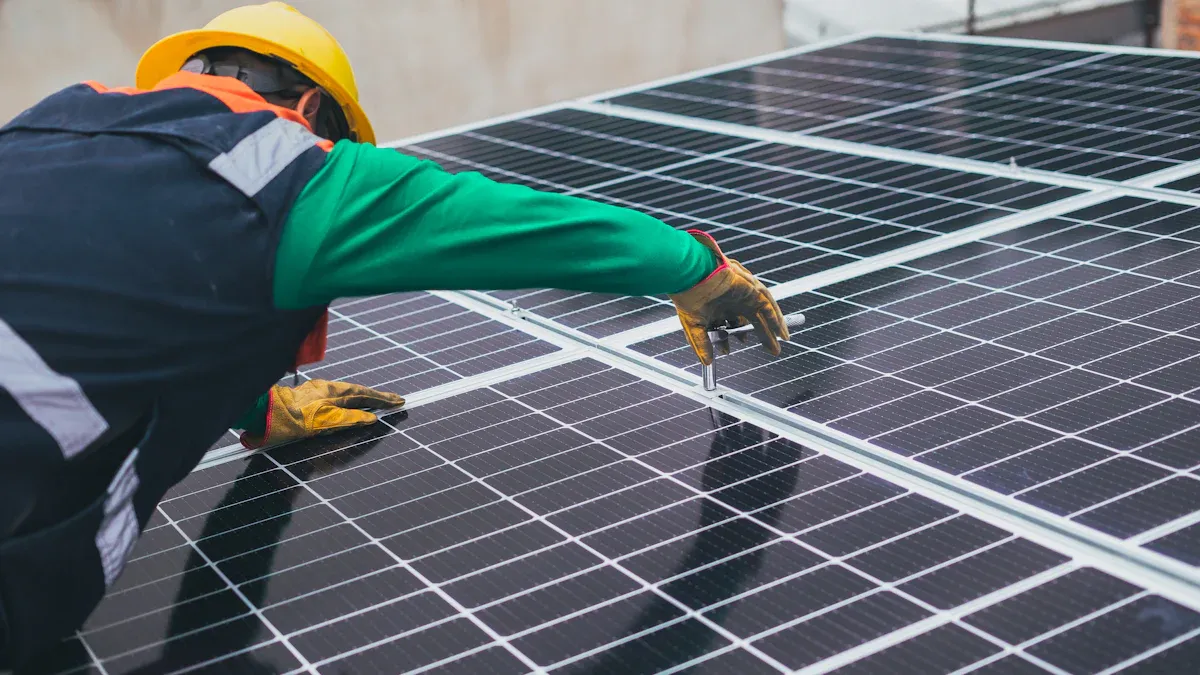
Before you start the installation steps, you need to do a site assessment. This is the first part of a step-by-step guide to installing a 10kW solar system. You want to make sure your home is ready for solar panels and that you get the most energy possible.
Look at your roof and ask yourself a few questions. Is there enough space for a 10kW solar system? Most homes need about 530 square feet for the panels. You should measure the area and check if it is flat and strong. The direction your roof faces matters a lot. South-facing roofs get the most sunlight in the United States. If your roof faces east or west, you can still install solar panels, but you might get less energy.
Here’s a table to help you see what to check during your site assessment:
Factor | Description |
|---|---|
Roof Condition | Check if your roof is strong enough to hold the solar panels and mounting equipment. |
Sunlight Exposure | See how much sunlight your roof gets and look for anything that blocks the sun. |
Roof Orientation and Tilt | Find out which way your roof faces and the angle for the best sunlight. |
Available Roof Space | Measure the area to make sure you can fit all the panels for a 10kW solar system. |
Local Permits and Regulations | Learn about local rules and get the right permits before you start. |
Preparation of Installation Area | Clean the roof and make sure it is ready for the solar installation. |
You want your solar panels to get as much sun as possible. Look for trees, chimneys, or other buildings that might cast shadows on your roof. Even a little shade can lower the power your 10kW solar system makes. You can use a sunlight meter or a smartphone app to check how much sun your roof gets during the day. Try to pick a spot with no shade from morning to evening. If you see any problems, you might need to trim trees or move things that block the sun.
Tip: Do your site assessment at different times of the day and year. Sunlight changes with the seasons, so you want to make sure your panels get good sun all year.
After your site assessment, you need to plan your installation and get the right permits. This step helps you follow local rules and keeps your home safe.
Every city and county has its own rules for solar installation. You need to check with your local building department. They will tell you what permits you need and what codes you must follow. Some places want you to use certain types of solar panels or mounting systems. You might need to show your plans before you start.
Here are the main steps for getting permits:
Finalize your solar energy system design. Decide how many panels you need and what type of inverter works best.
Create and submit plan sets. Draw up your plans and send them to your local authority.
Apply for electrical and building permits. Fill out the forms and pay any fees.
Submit a utility interconnection application. Ask your power company for permission to connect your 10kW solar system to the grid.
Wait for approval and set an installation date. The city or county will review your plans and let you know when you can start.
Install your system and receive final approvals. After you finish, inspectors will check your work.
Some common permits you might need include:
Electrical permit for wiring and grid connection
Building permit for mounting panels and racks
Fire or mechanical permits for larger systems
Note: Permit rules can change from one place to another. Always check with your local office before you begin.
If you want to connect your 10kW solar system to the grid, you need a No Objection Certificate (NOC) from your utility company. This certificate says your system is safe and will not cause problems for the power grid. You must fill out an application and give details about your solar panels, inverter, and wiring. The utility company will review your plans and may send someone to inspect your home. Once you get the NOC, you can connect your system and start using solar power.
You need the right tools and materials to install solar power system at home. Having everything ready makes the installation steps easier and safer.
Here is a list of tools you will need for a 10kW solar system:
Conduit bender
Wire cutter and stripper
Measuring tape
Chalk line and string line
Level and squaring tool
Power drill and driver
Wrenches, screwdrivers, ratchets, and sockets
Crimping tools
Multimeter for checking electrical systems
Sturdy ladder
Specialized panel clamps for positioning
Lifting equipment for moving panels
You use these tools to measure, cut, and secure your solar panels and wiring. Each tool helps you do a specific job, so make sure you have them all before you start.
You need more than just tools. Here are the main parts for your 10kW solar system:
Solar panels (about 25 for a typical home)
Mounting racks and brackets
Inverter (to change DC power to AC)
Wiring and connectors
Junction boxes
Grounding equipment
Monitoring system (optional, but helpful)
All these components work together to make your solar system run smoothly. Make sure you buy high-quality parts with certifications like UL 1703 for panels and UL 1741 for inverters. These marks show your equipment meets safety and performance standards.
Safety is very important when you install solar power system. You need a safety checklist before you start. Here are the main items:
Safety harness to prevent falls
Safety glasses to protect your eyes
Gloves for hand protection
Safety helmet for your head
Protective footwear for good grip
You should always use safety equipment when lifting panels, climbing ladders, or working with wires. The National Electrical Code (NEC) gives rules for solar installation, like grounding and labeling. Look for IEC and UL marks on your equipment. These certifications mean your solar panels and inverters are safe and reliable.
Safety checklist: Always wear your harness, helmet, gloves, and glasses. Check your ladder and tools before you climb. Never work alone when installing a 10kW solar system.
Now you are ready to move on to mounting your solar panels. Following this step-by-step installation guide helps you avoid mistakes and keeps your home safe.
Mounting solar panels is an important step. You need to follow the right steps so your 10kW solar system works well and lasts long.
You can mount panels on your roof or on the ground. Most people pick roof mounting because it saves space. It keeps panels close to your home’s electrical system. If your roof is strong and gets good sunlight, roof mounting is a good choice. You need about 530 square feet for a 10kW solar system.
Ground mounting is good if your roof is too small, shaded, or weak. You can put panels in your yard or on a flat spot. This lets you choose the best angle for sunlight. Ground mounting makes cleaning and fixing panels easier. You need more space and may have to dig holes for supports.
Here are some tips for different roof types:
Tile roofs: Use a comp-out process for clay tiles. Replace some tiles with shingles to hold the panels.
Flat roofs: Add extra brackets to tilt the panels. Use a roof pad to protect the roof. Use cold-resistant concrete ballast.
No matter which way you mount, check your roof’s strength. Always follow local building codes.
A secure installation helps your 10kW solar system work safely for years. Here are some tips:
Measure everything before you start. Small mistakes can cause big problems.
Use the right mounting hardware for your roof.
Make sure bolts and brackets are tight.
Ground your system to protect electronics from electrostatic discharges.
Avoid common mounting mistakes. These can cause measurement errors, early wear, and system failures.
Watch out for connections that restrict movement. These can cause weighing errors.
Think about wind and earthquakes. Strong winds or shaking can stress your panels and mounts.
Check signal integrity. Use correct wiring to avoid problems.
Tip: Double-check every connection and support before moving on. A secure installation keeps your solar panels safe and helps your system work better.
After mounting, you need to connect everything together. This step helps link your solar panels to the inverter and your home’s electrical system.
You connect solar panels in series or parallel. The wires go to a junction box, then to the inverter. The inverter changes DC power from the panels into AC power for your home.
Here’s a table showing standard wiring setups for a 10kW solar system:
Connection Type | Description | Key Considerations |
|---|---|---|
Load-Side Connections | Most common for homes. | Needs a solar breaker; follows NEC 120% rule for breaker size. |
Supply-Side Connections | Made before the main breaker. | Needs extra approvals; good for bigger systems. |
Follow the National Electrical Code (NEC) for all wiring. Use good wires and connectors. Make sure every connection is tight and secure.
You can add battery storage for backup power. Batteries store extra energy for use at night or during outages. Connect batteries to the inverter and set up a charge controller. This keeps batteries safe and working well.
Adding batteries makes your system more flexible. You can use solar power even when the sun isn’t shining. Pick batteries that match your system size and needs.
Safety is very important when installing solar power. You work with electricity, heavy panels, and tools. Here are some safety tips:
Watch out for shock or electrocution. This can happen if current goes through your body. Risks go up with bad cables, loose wires, and poor grounding.
Prevent arc faults. High power between wires can cause fires. Arc faults happen when there are problems or extra current.
Be careful of thermal injuries. Solar panels can make energy and heat even when off.
Use rapid shutdown systems. These are needed by the NEC to lower shock risks in emergencies.
Install arc-fault circuit interrupters (AFCIs). These devices find dangerous arcing currents and help stop electrical fires.
Safety checklist: Always turn off power before working on wires. Wear gloves and safety glasses. Check every wire and connection for damage. Never rush through electrical work.
After wiring, you need to test your 10kW solar system. This step makes sure everything works and your home is ready for solar power.
Start with a full system test. Check all electrical connections. Make sure there are no short circuits or errors. Look at every wire, panel, and inverter. Confirm that everything matches your installation steps.
Use apps or software to watch your system’s performance. Track energy production and efficiency over time. Watch for drops in output or strange readings. Good monitoring helps you find problems early.
If your system does not work right, check the wiring, inverter, and panel placement. Look for loose connections or broken parts. Fix any problems right away.
Here’s a list of common issues found during commissioning:
Category | Common Issues |
|---|---|
Technical Challenges | Inverter integration issues, SCADA and monitoring system failures, interconnection complications. |
Procedural and Management | Documentation problems, schedule delays, stakeholder coordination failures. |
Environmental and Site-Specific | Weather issues, site infrastructure limitations. |
Note: Take your time during testing. Careful checks now save trouble later. If you find a problem you can’t fix, call a professional for help.
You have now finished the main installation steps for your 10kW solar system. Following this step-by-step guide helps you get the most from your solar panels and keeps your home safe.
Taking care of your 10kw solar system helps you get the most out of your investment. You want your solar panels to work well for years, so regular maintenance is key. Let’s look at how you can keep your system running smoothly at home.
Dust, leaves, and bird droppings can block sunlight from reaching your panels. If you let dirt build up, your 10kw solar system won’t make as much electricity. Cleaning your panels is simple, but how often you need to do it depends on where you live.
Here’s a quick guide:
Environment Type | Recommended Cleaning Frequency |
|---|---|
Clean environments | Once or twice every two years |
Moderately dusty areas | Every three to six months |
Highly polluted locations | Monthly cleaning may be needed |
If you live near a construction site or a busy road, you’ll notice more dust and grime. Areas close to factories, highways, or airports also collect more oil and dirt. The angle of your panels matters too. If you install panels at a tilt of at least 10°, rain can help wash away dirt. South or west-facing panels usually need more frequent cleaning.
Tip: Use a soft brush and water to clean your panels. Avoid harsh chemicals. Always think about safety when climbing on your roof.
You want to know how your 10kw solar system is performing every day. Monitoring helps you spot problems early and keep your solar panels working their best.
Here are the main things to track:
Energy Production: See how much electricity your solar panels make over time.
Energy Consumption: Check how much power your home uses from solar and the grid.
System Health: Watch the status of each part, like inverters and panels.
Efficiency: Find out how well your system turns sunlight into electricity.
You can use different tools to monitor your solar system:
Sensor-based monitoring systems collect real-time data from your panels.
Cloud-based monitoring lets you check your system from anywhere.
Smartphone apps show you live performance updates.
If you notice sudden drops in energy production, inverter errors, or missing data, you might have a problem. Quick action keeps your 10kw solar system safe and efficient.
Sometimes, you need expert help to keep your solar system safe and working right. Watch for these warning signs:
Unexpectedly high energy bills
Visible damage like cracks, chips, or cloudy panels
Inverter warning lights or error codes
A big drop in energy output
Discoloration or hot spots on your panels
You might see water spots, dark patches, or corrosion. If your inverter makes strange noises or shows error messages, call a professional. Safety comes first. Don’t try to fix serious problems yourself. A trained technician can check your 10kw solar system and make repairs.
Note: Regular maintenance and quick action help you avoid costly repairs and keep your solar panels working for years.
Some people want to skip permits for their 10kw solar system. They think it saves time or money. But skipping permits can cause big trouble. You might have to pay large fines. These fines can cost thousands of dollars. Your warranties might not work anymore. Then you pay for repairs yourself. Insurance may not cover damage from unpermitted work. If you sell your house, you may need to fix these problems. Sometimes you must remove your solar panels. Skipping permits can also be unsafe. Unpermitted systems can cause electrical problems. Your utility company might disconnect your solar setup.
Here’s what can go wrong:
Consequence | Description |
|---|---|
Fines | You may pay thousands in penalties for skipping permits. |
Voided Warranties | Repairs become your responsibility if warranties are voided. |
Insurance Issues | Damage from unpermitted solar work may not be covered. |
Home Sale Complications | You might need retroactive permits or panel removal to sell your home. |
Safety Risks | Unsafe systems can lead to utility disconnection or electrical hazards. |
Tip: Always get permits before you start your 10kw solar system. This step keeps your home safe and protects your money.
Putting solar panels in the wrong spot is a big mistake. If trees or buildings make shadows, your 10kw solar system will not work well. Even a little shade or dirt can lower your system’s power. This is worse if you use string inverters. Microinverters help because each panel works alone. But you still want every panel to get sunlight.
Watch out for these problems:
Shadows from trees, chimneys, or buildings
Dirty panels from dust, leaves, or bird droppings
Panels facing the wrong way or at a bad angle
Check your roof for shade at different times. Clean your panels often. Make sure nothing blocks the sun.
Note: Good panel placement gives you more solar power and saves you money.
Wiring mistakes can make your 10kw solar system unsafe. Bad planning can leave wires wet or easy to touch. This can cause fires. Wires left outside can crack or melt. Animals might chew on wires and break them. Look for cuts or color changes on wire covers. If you see copper or brittle wires, fix them before turning on your system.
Here are some common causes of unsafe wiring:
Cause | Description |
|---|---|
Poor planning | Bad layouts can cause water damage or fire. |
Exposure | Weather can damage unprotected wires. |
Physical damage | Animals or wear and tear can break wires. |
Safety first! Always check your wires before finishing your installation. If you feel unsure, call a professional for help with your 10kw solar system.
It is exciting to install solar panels. But you must not forget about safety. Safety is important for every step you take. If you skip safety, you can get hurt or lose money. You also put your family at risk.
People make some common safety mistakes:
Not wearing gloves, helmets, or harnesses.
Working too fast without learning the right way.
Not checking for dangers before starting work.
Not thinking about falling, especially on wet roofs.
Touching live wires or skipping lockout/tagout steps.
Lifting heavy panels without help or tools.
Working in bad weather without water or breaks.
You should be careful with every step. Here is a table to help you remember safety rules:
Safety Protocol | Why It Matters |
|---|---|
Use PPE | Keeps you safe from falls and cuts |
Training and Planning | Stops mistakes and accidents |
Job Safety Analysis (JSA) | Finds risks before you start |
Lockout/Tagout Procedures | Stops electrical shocks |
Material Handling Equipment | Helps you lift panels safely |
Hydration and Breaks | Stops heat or cold sickness |
Tip: Never work alone when installing solar panels. Always have someone nearby to help if there is an emergency.
Always check your workspace for things you can trip on. Wet roofs are slippery. Loose tools can make you fall. Stay away from live wires near electrical panels. Lockout/tagout steps keep power off while you work.
Use lifting tools for heavy panels. Do not carry panels by yourself. You can hurt your back or drop a panel.
Weather is important for safety. Drink water and rest if it is hot. Wear warm clothes if it is cold. Do not rush because of bad weather.
Mounting panels the right way is important. Use strong anchors to keep panels safe. This helps your solar system last longer.
Here is a safety checklist for your solar installation:
Get training before you start.
Wear PPE every time.
Check for dangers before working.
Look for fall and electrical risks.
Use lifting tools for heavy panels.
Take breaks and drink water.
Skipping safety might seem faster, but it can cause problems. Take your time and follow safety rules. This keeps your solar project safe from start to finish.
Sometimes you need help from an expert for your solar project. You might feel ready for some steps, but some parts of a 10kW solar system need a professional. Let’s see when you should ask for help.
Electricity can be dangerous. If you need to connect high-voltage parts or link your solar system to your home’s main panel, hire a licensed electrician. These experts know how to do tricky wiring and keep your home safe. They also have the right licenses for the job.
Here’s what a professional electrician does:
Has an electrical contractor license.
Gets the right electrical permits.
Makes sure their license fits your project.
You want someone who knows all the safety rules. They protect you from shocks and fires. They also help keep your warranties good.
License Type | Description |
|---|---|
Electrical Contractor License | Needed for high-voltage work and connecting solar to your home’s power system. |
Class B or Class C License | Good for most home solar jobs, including wiring and panel installation. |
Tip: A licensed electrician helps you feel safe and keeps your home protected.
Your roof must hold the weight of a 10kW solar system. Sometimes, you need to change your roof before you put on panels. If your roof is old, damaged, or made from special materials, call a structural expert.
Common roof upgrades include:
Modification Type | Description |
|---|---|
Wood Blocking | Adds new spots to attach solar mounts, especially if your roof has damage. |
Sistering | Strengthens rafters to hold more weight. |
Tensioning Systems | Gives extra support so your roof stays strong. |
Ballasted Systems | Uses weight to keep panels in place, but needs careful planning. |
Flashing | Seals edges and stops leaks, helping your roof last longer. |
Think about your roof’s age, the materials, and local building codes. A pro can check if your roof is ready and make changes if needed.
Roof material and age
Load-bearing strength
Local building rules
Quality of framing materials
Note: If you see sagging, leaks, or weak spots, get a professional to check your roof before you install solar panels.
Solar systems must follow strict codes. These rules keep your home safe and help you pass inspections. Codes change often, and each city may have different rules. Professionals know the latest updates and help you avoid mistakes.
Some important code steps include:
Testing solar batteries after installation.
Following new rules for grounding and bonding.
Meeting updated requirements for wiring and connections.
Code Article | What It Covers |
|---|---|
Article 705 | Connecting solar power to your home’s electric system. |
Article 691 | Large solar power stations. |
Article 706 | Energy storage systems. |
Article 480 | Storage batteries. |
Article 250 | Grounding and bonding. |
Article 300 | General wiring methods. |
Fire codes are important too. You need clear paths on your roof for firefighters—usually three feet wide. Some cities use the International Building Code (IBC) and ASCE 7 to set rules for how you install and secure your panels.
Callout: If you feel unsure about any code or permit, ask a professional. They help you avoid fines and keep your solar system safe.
You’ve just explored a step-by-step guide to installing a 10kw solar system. If you want to know how to install a 10kw solar system at home, start with careful planning and always follow safety rules. Review each installation step before you install solar power system. Don’t skip permits or ignore expert advice. When you add solar to your home, you save money and help the planet. A 10kw solar system brings long-term benefits for your home and family.
Most people finish the job in 2 to 5 days. If you hire a pro, it might go faster. Getting permits and inspections can add extra time.
You can try if you have good DIY skills and know about electricity. Many people ask a professional for help with wiring or permits to stay safe.
You might pay between $20,000 and $30,000 before tax credits. Prices change based on your location, roof type, and equipment choices.
No, you do not need batteries. Your system can work without them. Batteries help if you want backup power during outages or want to store extra energy.
Most grid-tied systems shut off during outages for safety. If you want power when the grid is down, you need to add batteries and special equipment.
You should check your roof’s age and condition. If you see sagging or leaks, call a roofer or structural expert before you start.
You can find guides online, watch videos, or read manuals from solar companies. This blog gives you a step-by-step look at how to install a 10kW solar system at home.
You should clean the panels a few times a year and check for damage. Watch your system’s output with a monitoring app. Call a pro if you see problems.


